Composting Guide: 7 Proven Ways to Turn Waste into Garden Gold
Throwing away kitchen scraps feels like a total waste of good material. Most of those potato peels and coffee grounds could be doing something much better for your backyard. Honestly, they should be helping your garden grow instead of just sitting in a big landfill. Composting is the best way to recycle nutrients back into the earth. It is not nearly as hard as it looks, and you do not need a fancy setup to start. This composting guide will show you how to turn old food into rich soil. We will look at what goes into the pile and how to keep it healthy. By the time you finish reading, you will have a clear plan for your own backyard. It is sort of like magic, but with more dirt and less wands. Your plants will definitely thank you for the extra boost later on this season. Following a clear composting guide makes the whole process feel much less intimidating for everyone involved.
TL;DR - Key Takeaways
- Balance Materials: Mix three parts carbon with one part nitrogen.
- Add Water: Keep the pile damp like a wrung-out sponge.
- Provide Air: Turn the pile weekly to help oxygen flow.
Balancing Carbon and Nitrogen in Your Pile
To make great soil, you need the right mix of ingredients. Think of it like baking a cake. If you have too much of one thing, it just will not work. In the world of dirt, we talk about "greens" and "browns." Greens are items high in nitrogen. These include fresh grass clippings, vegetable scraps, and fruit peels. Even coffee grounds count as greens, even though they look brown. They provide the protein that the tiny bugs in your pile need to grow and multiply. Without enough nitrogen, your pile will just sit there and do nothing for months.
Browns are items high in carbon. These are things like dry leaves, straw, shredded cardboard, and woody twigs. Carbon gives the microbes energy to do their work. A good rule of thumb is to use about three parts brown material for every one part of green material. If you have too many greens, your pile will start to smell like old garbage. If you have too many browns, it will stay dry and cold. Mixing them well is the secret to a fast-acting composting guide strategy. Most people fail because they only dump in kitchen scraps without adding any dry leaves or paper. Always keep a bag of dry leaves nearby to cover up fresh food waste.
💡 Pro Tip:
Always chop your kitchen scraps into pieces smaller than two inches to help the bacteria break them down much faster.
Using a balanced composting guide approach ensures your soil stays nutrient-rich. Avoid adding things like cat litter or dog waste, as these carry diseases. Also, stay away from coal ash or treated wood, which can contain chemicals that hurt your plants later. Stick to simple, natural items from your kitchen and yard for the best results.
Managing Proper Airflow and Water Levels
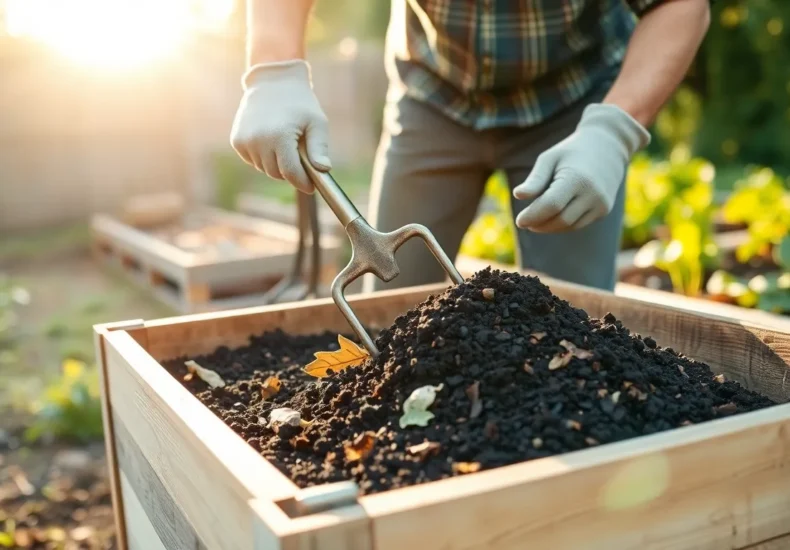
A composting guide would not be complete without talking about the breath of the pile. Those tiny microbes eating your trash need oxygen just like you do. If the pile gets too packed down, the air cannot get to the center. This is when things start to get slimy and stinky. To keep the air moving, you should turn your pile with a pitchfork or a shovel. Doing this once every week or two is usually enough to keep the process moving. It moves the outside material to the hot center and brings fresh oxygen to the microbes. If you are using a tumbler bin, just give it a few spins every few days.
Water is just as important as air. Your compost pile should always be damp. If it dries out completely, the microbes will go dormant and stop working. If it gets too soaked, the water fills up all the air pockets and drowns the helpful bacteria. The goal is to have the pile feel like a sponge that you have already wrung out. It should be moist to the touch but not dripping wet. If it rains a lot in your area, you might want to cover your pile with a tarp. This prevents it from getting waterlogged during big storms. If you live in a very dry climate, you may need to spray it with a hose occasionally.
When you get the air and water right, the pile will start to heat up. This heat is a sign that the bacteria are working hard. A healthy pile can reach temperatures of 140 degrees Fahrenheit in the center. This heat is great because it kills off weed seeds and bad pathogens. If your pile is cold, it might need more water or a good fluffing to get the oxygen flowing again. Keeping these levels steady is a big part of any successful composting guide routine.
Troubleshooting Your Composting Guide Problems
Even with a good plan, things can sometimes go wrong. One of the most common issues is a bad smell. If your pile smells like ammonia, you likely have too many greens. To fix this, just mix in more brown materials like dry leaves or shredded newspaper. If it smells like rotten eggs, it is probably too wet and lacks air. Give it a good turn and add some dry sticks to create better air gaps. Using this composting guide to diagnose smells will keep your neighbors happy and your pile healthy. Most smells disappear within twenty-four hours after you make these small changes.
Pests are another common worry for new gardeners. Flies and rodents are attracted to exposed food scraps. To prevent this, always bury your kitchen waste deep inside the pile. Cover the top with a thick layer of browns like straw or dried grass. This acts as a natural filter that blocks smells and hides the food from animals. If you have a major pest problem, you might want to switch to a closed bin or a tumbler. These are much harder for raccoons or rats to break into compared to an open wooden crate.
💡 Pro Tip:
Add a handful of garden soil or finished compost to a new pile to jumpstart the microbial activity immediately.
If your pile just is not breaking down, it might be too small. A pile needs to be at least three feet tall and three feet wide to hold onto its own heat. Smaller piles lose heat too quickly to work well. Also, check if it is too dry. Microbes cannot move through dry material to eat the scraps. Following a detailed composting guide helps you spot these issues before they ruin your hard work. Patience is key, but a little bit of maintenance goes a long way toward making that garden gold.
The Bottom Line on Better Soil
Composting is a simple way to help the environment and your garden at the same time. By keeping food waste out of the trash, you are reducing your footprint. Plus, you get free, nutrient-dense soil that makes your vegetables grow twice as fast. It does not require a lot of money or expensive tools to get started. Just remember to keep your greens and browns balanced and give the pile a turn every now and then. This composting guide shows that anyone can do it, even with a small backyard. In the end, the dark, crumbly earth you create will be the best thing you ever give to your plants. One practical takeaway is to start small with a simple bin and grow from there. Following a solid composting guide makes the process easy and rewarding for years to come.
Frequently Asked Questions
Can I compost citrus peels in my backyard pile?
Yes, you can add citrus peels, but do it in moderation. High acidity might slow down some worms or bacteria if you add too many at once. Large amounts can also change the pH level of your pile. Just chop them into tiny pieces to help them break down faster.
How long does it take to get finished soil?
Most piles take three to six months to finish. It depends on the weather and how often you turn the pile. Hot summer months speed things up significantly. Using a proper composting guide helps you get results much faster than leaving a messy pile alone in the corner of the yard.
Do I need an expensive bin to start composting?
Not necessarily, but a bin helps keep things tidy. A simple pile in the corner of your yard works just fine for many people. Bins are great for keeping out pests and holding in heat. Some gardeners prefer tumblers because they are much easier to rotate and keep aerated.
Why does my compost pile smell like rotten eggs?
Foul odors usually mean your pile is too wet or has too much nitrogen. This often happens when people dump in too many fresh grass clippings at once. Add more carbon-rich materials like cardboard or dry leaves to soak up the extra moisture and balance out the smells naturally.
What items should I never add to the mix?
Keep meat, dairy, and oily foods out of your pile. These items rot slowly and create terrible smells that bother neighbors. They also attract unwanted visitors like raccoons or stray cats. Stick to plant-based scraps to ensure your composting guide leads to healthy, clean soil for your vegetables.
