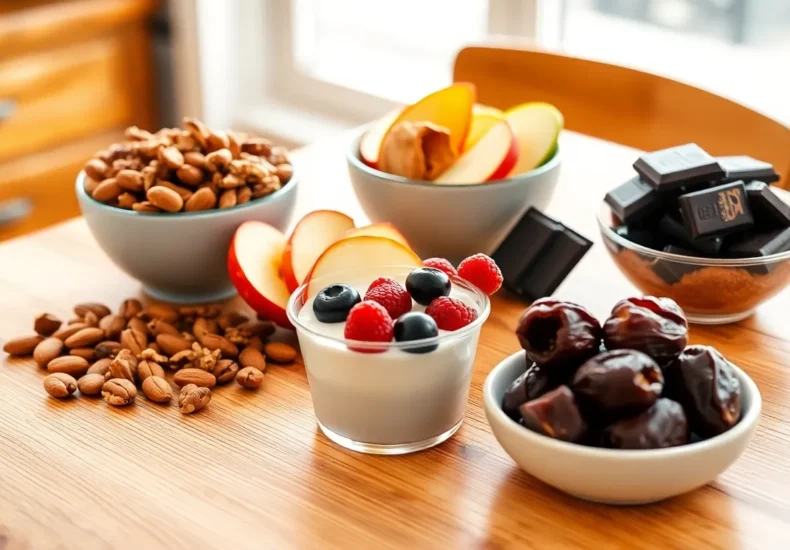
Healthy Snacking: 5 Energy-Boosting Foods That Actually Satisfy
Most people struggle with the 3 p.m. energy slump. Your energy tanks, focus slips, and suddenly the vending machine looks pretty good. Healthy snacking doesn't have to mean choking down bland rice cakes or feeling deprived. The right snacks can actually boost your energy, improve your mood, and help you avoid overeating at meals.
The problem is that most snack options are loaded with sugar and refined carbs. They give you a quick hit of energy followed by a crash that's worse than before. Real, lasting energy comes from snacks that combine protein, healthy fats, and fiber. These nutrients work together to keep your blood sugar steady and your brain sharp.
Here's what we're covering: which snacks actually work, how to build a snacking routine that fits your life, and how to avoid the traps that derail most people. By the end, you'll have a simple system for choosing foods that genuinely satisfy and energize.
TL;DR - Key Takeaways
- Balance matters: Mix protein, fat, and fiber always
- Avoid sugar crashes: Skip refined carbs and processed snacks
- Plan ahead: Prep snacks to avoid desperate vending machine runs
The Best Protein-Rich Foods for Steady Energy
Protein is the MVP of snacking. It digests slowly, keeping you satisfied longer than carbs alone. When you pair protein with fat and fiber, you get a snack that actually prevents energy crashes.
Greek yogurt is one of the easiest wins. A single serving has 15 to 20 grams of protein and tastes like a treat. Add some berries or nuts and you've got a perfectly balanced snack. Cottage cheese works similarly, though some people find the texture off-putting at first.
Hard-boiled eggs are portable and cheap. They contain all nine essential amino acids plus choline, which supports brain function. Two eggs with a piece of fruit gives you protein, healthy fats, and carbs in one simple combination.
Nuts and seeds deserve their reputation. Almonds, walnuts, and sunflower seeds pack both protein and healthy fats. A small handful is enough to stabilize blood sugar for hours. Keep them in your bag, desk, or car for whenever hunger hits without warning.
💡 Pro Tip:
Buy unsalted nuts in bulk and portion them into small containers on Sunday. You'll reach for them instead of less nutritious options when hunger strikes.
Fruits and Vegetables That Keep Blood Sugar Stable
Fresh produce gets a lot of hype but often fails as a standalone snack. An apple alone will spike your blood sugar then let it crash. The solution is simple: pair fruit with protein or fat.
Berries are your best fruit choice. They're lower in natural sugar than tropical fruits and packed with fiber and antioxidants. Blueberries, strawberries, and raspberries all work well. Mix them with Greek yogurt or cottage cheese for a snack that tastes indulgent but keeps you steady.
Bananas work when paired with nut butter. The potassium helps with muscle function while the nut butter slows digestion. This combo is especially good before or after exercise when your body needs both carbs and protein.
Vegetables like carrots, bell peppers, and celery are filling and low-calorie. They work best with hummus or almond butter as a dip. These options provide nutrients, fiber, and enough fat to prevent energy crashes. Cherry tomatoes and cucumber slices also make satisfying snacks when paired with something substantial.
Smart Carbs That Fuel Without the Crash
Not all carbs are created equal. Refined carbs break down quickly and cause blood sugar spikes. Whole grains and legumes digest more slowly, providing sustained energy that actually lasts.
Whole grain toast or crackers with cheese provides a balanced option. The fiber in whole grains slows digestion while cheese adds protein and fat. This combination keeps you satisfied for hours without the energy dip that comes from white bread alone.
Roasted chickpeas are an underrated gem. They're crunchy, satisfying, and pack about 15 grams of protein per cooked cup. Roast them at home with olive oil and spices for a fraction of the cost of store-bought versions. They're perfect for snacking straight from a bag.
Oatmeal or whole grain cereal with nuts and dried fruit works well when made into snack portions. Avoid the instant, flavored packets loaded with sugar. Plain oats with a handful of almonds and dried cranberries give you real nutrition without the crash that processed snack bars cause.
💡 Pro Tip:
Make trail mix using whole grain cereal, raw nuts, seeds, and a small amount of dark chocolate. Store in jars for grab-and-go snacking throughout the week.
Wrapping Up
Healthy snacking isn't about deprivation or willpower. It's about choosing foods that actually satisfy your body's needs. Protein, healthy fats, and fiber work together to prevent energy crashes and keep you focused between meals.
The simplest approach is pairing protein with carbs, then adding fat. Greek yogurt with berries. Nuts with an apple. Cheese with whole grain crackers. These combinations work because your body digests them slowly, providing steady energy all day long.
Start by picking just two or three snacking options from this article. Get comfortable with them, then expand your rotation. When you stop reaching for sugary processed snacks, you'll notice your energy stays more stable and your cravings diminish. That's when you know healthy snacking is finally working for you.
Frequently Asked Questions
What makes a snack truly healthy?
A healthy snack combines protein, fiber, and healthy fats with minimal added sugar. These nutrients work together to stabilize blood sugar and keep you satisfied for hours. Avoid snacks with more than five grams of added sugar or processed ingredients you can't recognize.
How many times a day should I snack?
Most people benefit from one to two snacks per day between meals. Snacking more frequently can lead to overeating, while skipping snacks entirely often causes energy crashes. Listen to your hunger cues rather than following a rigid schedule.
Can healthy snacking help with weight loss?
Yes, smart snacking prevents overeating at meals by maintaining steady energy and blood sugar levels. Choosing nutrient-dense options like nuts, fruit, and yogurt keeps you satisfied without excessive calories. The key is portion control and picking foods with real nutritional value.
What are the best portable healthy snack options?
Nuts, seeds, fresh fruit, cheese sticks, and protein bars travel well and need no refrigeration. Granola with dried fruit, nut butter packets, and roasted chickpeas also work great for on-the-go nutrition. Pack them in small containers to control portions while staying energized throughout the day.
How do I avoid energy crashes from snacks?
Pair carbohydrates with protein and fat to slow digestion and prevent blood sugar spikes. Skip sugary snacks and refined carbs that cause quick energy surges followed by crashes. Whole grains, nuts, and Greek yogurt provide sustained energy that carries you through until your next meal.
