Feng Shui: Harmonizing Your Home with Energy Flow
Your home is more than just walls and furniture - it's a living environment that either supports or drains your energy every single day. Feng Shui, the ancient Chinese practice that translates literally to "wind-water," offers a framework for creating spaces that feel balanced, harmonious, and genuinely good to inhabit. While it might sound mystical at first, the core principles of Feng Shui are rooted in practical observation about how our surroundings affect our well-being. Dating back more than 3,500 years, this practice was originally used to determine the orientation of buildings, dwellings, and even entire cities. Today, you can apply these same principles to transform your living space into a sanctuary that works with you, not against you.
TL;DR
- Feng Shui is an ancient Chinese practice focused on arranging your environment to optimize the flow of Chi, or vital life energy, through your space.
- The five elements - water, wood, fire, earth, and metal - work together to create balance, and each corresponds to specific colors, shapes, and areas of your home.
- Clearing clutter is foundational because blocked pathways and crowded spaces disrupt energy flow and create stagnation.
- Small adjustments like furniture placement, natural light, and intentional color choices can dramatically shift how your home feels and functions.
Understanding Chi and Energy Flow in Your Space
Think of Chi as the invisible current running through your home - similar to how air moves through a room or water flows through a stream. When Chi moves freely, spaces feel alive and welcoming. When it gets stuck or moves too quickly, rooms feel off in ways you can't quite name. The goal of Feng Shui is to create a gentle, meandering flow that touches every corner without rushing or pooling.
Start by walking through your home and paying attention to how you move. Do you have to squeeze past furniture? Are there corners you avoid or rooms you rarely use? These are signs of blocked or stagnant energy. Traditional Feng Shui teaches that clutter is one of the biggest disruptors of Chi flow, creating physical and energetic obstacles that prevent healthy circulation.
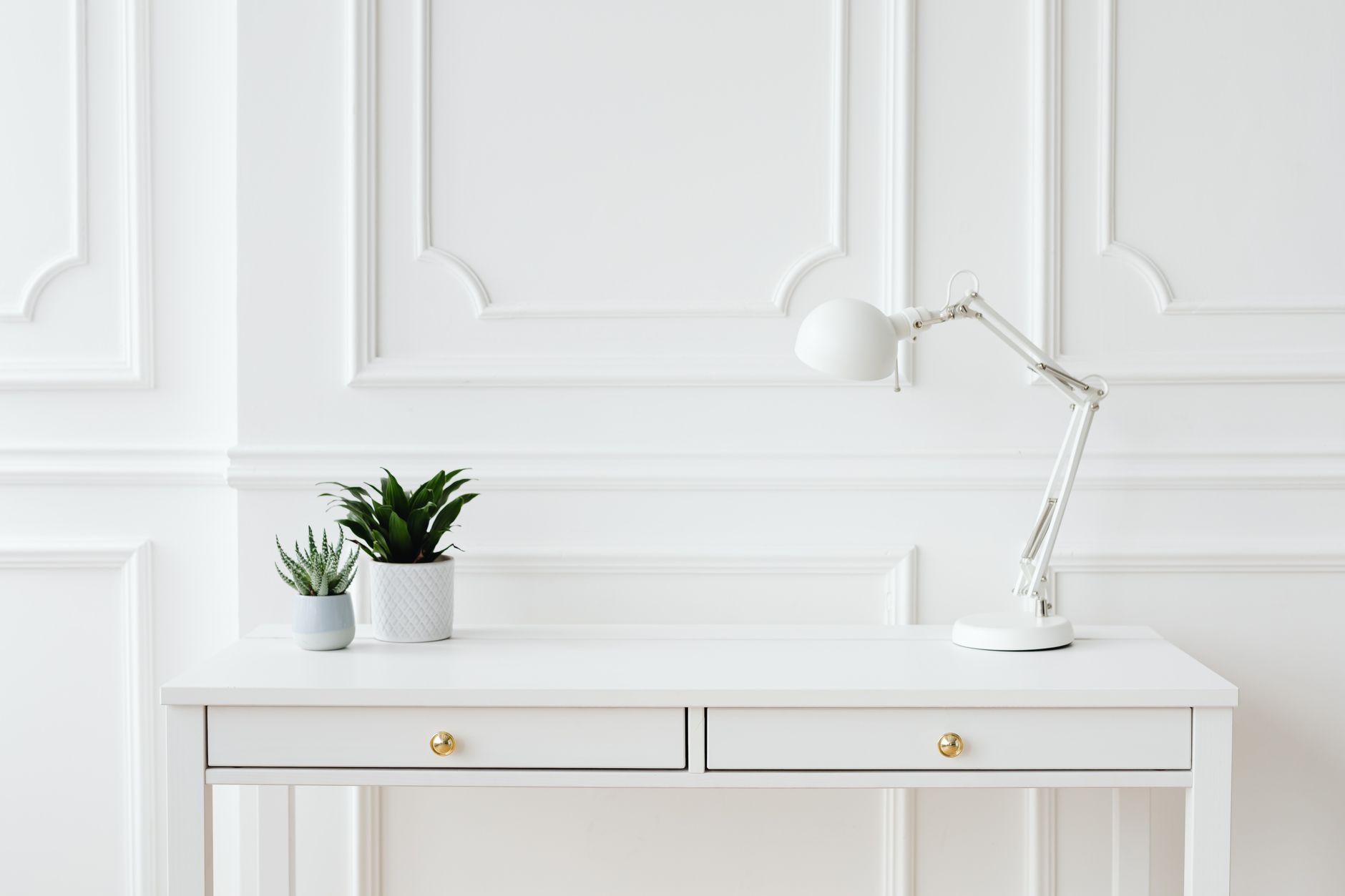
The entryway deserves special attention because it's where energy first enters your home. A cramped, cluttered entrance chokes off the flow before it begins. Clear the path, add good lighting, and make sure your front door can open fully. This simple shift often creates a noticeable change in how your entire home feels. Think of your entryway as the mouth of a river - if it's blocked, nothing downstream can flow properly either.
The Five Elements: Building Blocks of Balance
Feng Shui incorporates the theory of five elements that interact in specific cycles. Water represents flow and abundance. Wood symbolizes growth and vitality. Fire brings passion and transformation. Earth provides stability and grounding. Metal offers clarity and precision. Each element corresponds to colors, shapes, materials, and even rooms in your home.
You don't need to understand complex element cycles to benefit from this framework. Instead, look at your space and notice if one element dominates. An all-white, minimalist home with metal fixtures and glass everywhere? That's heavy on metal energy, which can feel cold or sterile over time. Adding wood elements through plants, wooden furniture, or green tones brings warmth and life. A space dominated by earth tones and heavy furniture might feel too dense - introducing water elements through mirrors, flowing fabrics, or actual water features can lighten the energy.
The five elements work best in balance, not in equal measure. Your bedroom might need more earth and water for rest and rejuvenation, while your office benefits from wood for growth and metal for focus. Pay attention to how rooms feel and adjust accordingly. If your living room feels chaotic, add earth elements for grounding. If your workspace feels stagnant, introduce fire through candles, warm lighting, or vibrant art.
Pro Tip
Place your bed in the "command position" - diagonally across from the door with a solid wall behind you, where you can see the entrance without being directly in line with it. This positioning creates a sense of safety and control that improves sleep quality and reduces anxiety.
Practical Room-by-Room Applications
Every room in your home serves a different function and benefits from specific Feng Shui adjustments. Applying Feng Shui principles room by room allows you to create intentional spaces that support their purpose.
In the bedroom, prioritize rest and intimacy. Keep electronics to a minimum because they introduce active energy that disrupts sleep. Position your bed so you can see the door but aren't directly in line with it. Use pairs of items - two nightstands, two lamps - to encourage partnership energy. Avoid storing items under the bed, which traps energy and prevents proper rest. Soft, muted colors from the earth element palette promote relaxation better than bright, stimulating tones.
The kitchen represents nourishment and abundance. Keep it clean and organized because disorder here affects your relationship with food and health. Make sure your stove is in good working order - in Feng Shui, the stove symbolizes wealth and prosperity. If possible, position yourself so you can see the entrance while cooking. Add live plants or fresh herbs to bring wood energy and vitality into the space. A bowl of fresh fruit combines earth and wood elements while serving as a visual reminder of abundance.
Your home office needs clarity and focus. Position your desk so you face the door with a solid wall behind you - this command position creates authority and control. Minimize clutter on your desktop and use organizers to keep papers contained. Add metal elements through filing cabinets or desk accessories to sharpen concentration. A small water feature or image of water can stimulate creativity and flow. Make sure you have adequate natural light or full-spectrum lighting to prevent energy depletion.
Yin and Yang: Creating Dynamic Balance
Beyond the five elements, Feng Shui incorporates the complementary energies of yin and yang - the fundamental duality that exists in everything. Yin represents stillness, softness, and receptivity. Yang embodies movement, brightness, and activity. Neither is better than the other, and healthy spaces contain both in appropriate measure.
Bedrooms should lean toward yin energy with soft textures, dim lighting, and quiet colors that promote rest. Living rooms and kitchens benefit from more yang energy - brighter lighting, vibrant colors, and social gathering. The imbalance becomes obvious when you pay attention: a bedroom that's too yang feels restless and prevents deep sleep, while a living room that's too yin feels lifeless and discourages connection.
You can adjust yin-yang balance through simple changes. Too much yang? Add soft fabrics, lower the lighting, introduce curves instead of sharp angles. Too much yin? Increase natural light, add mirrors to create movement, incorporate brighter accent colors. The goal isn't perfect balance in every room but appropriate balance for each space's function. Your meditation corner should be predominantly yin, while your workout area needs yang energy to motivate movement.
Conclusion
Feng Shui isn't about following rigid rules or buying expensive consultations - it's about developing awareness of how your environment affects you and making intentional choices to support your well-being. Start small. Clear one cluttered surface. Move your bed into the command position. Add a plant to bring life energy into a stagnant corner. Notice how these changes feel, then build from there.
The beauty of Feng Shui is that it works whether or not you believe in the mystical aspects. Creating clear pathways, balancing elements, and organizing your space simply makes practical sense for modern living. When you remove obstacles and create harmony in your physical environment, you naturally feel more balanced yourself. Your home should support you, recharge you, and reflect the life you want to live. With these principles, you can create that kind of space without overhauling everything at once - just consistent, thoughtful adjustments that honor both ancient wisdom and your own lived experience.
FAQs
Do I need to hire a Feng Shui consultant or can I apply the principles myself?
You can absolutely apply Feng Shui principles yourself, especially when starting with foundational concepts like decluttering, furniture placement, and element balance. Most people see meaningful improvements just by addressing energy flow and clearing obstacles. A professional consultant can provide deeper analysis using traditional tools like the Bagua map or compass directions, which might be valuable if you're designing a new home or addressing persistent issues. But for most everyday applications, self-guided practice works well - trust your instincts about how spaces feel and adjust accordingly.
How do I incorporate Feng Shui if I'm renting and can't make major changes?
Renters can practice Feng Shui effectively through furniture arrangement, color choices, and accessories rather than permanent modifications. Focus on clearing clutter, positioning your bed and desk in command positions, adding plants and natural elements, and using removable items like rugs, curtains, and artwork to balance the five elements. Mirrors are particularly useful for renters because they expand space, increase light, and redirect energy flow without any permanent installation. Even small adjustments to lighting and organization can dramatically shift how your rental space feels.
Is there scientific evidence that Feng Shui actually works?
While traditional Feng Shui includes spiritual and metaphysical concepts that aren't scientifically measurable, many of its practical principles align with research in environmental psychology, biophilic design, and neuroscience. Studies confirm that clutter increases stress, natural light improves mood and productivity, and views of nature reduce anxiety. The way furniture is arranged affects social interaction and feelings of safety. Whether you attribute the benefits to energy flow or to evidence-based design principles, the practical outcomes - reduced stress, better sleep, improved focus - remain consistent. Think of Feng Shui as an ancient framework that happens to incorporate many evidence-based design practices, wrapped in different terminology.
