
Choosing the Right Laptop: Ultimate Guide for Your Needs
Shopping for a laptop can feel overwhelming. Walk into any electronics store or browse online, and you'll face hundreds of options with specs that sound like a foreign language. But here's the thing - choosing the right laptop doesn't have to be complicated. The key is understanding what you actually need versus what manufacturers want you to think you need. Whether you're a student juggling assignments, a creative professional editing videos, or someone who just wants to browse the web and check email, there's a laptop built for your specific workflow. Let's break down exactly how to find it without overspending or ending up with a machine that can't handle your daily tasks.
TL;DR
- Start by defining your primary use case - this determines whether you need a budget model or high-performance machine.
- The processor acts as your laptop's brain and directly impacts how fast it handles tasks and runs applications.
- Choose an SSD over a traditional hard drive for dramatically faster boot times and better durability.
- RAM matters more than you think - insufficient memory creates noticeable slowdowns during multitasking.
Start With How You'll Actually Use It
Before you even look at specs, get brutally honest about what you'll do with this laptop. The fundamental step in choosing the right laptop involves identifying its primary intended use, because this dictates everything else. Are you writing papers and streaming videos? That's different from editing 4K footage or running design software.
Think about your typical day. A student who primarily uses Google Docs, streams lectures, and browses research articles doesn't need the same horsepower as a graphic designer running Adobe Creative Suite. Someone working with spreadsheets and video calls needs reliable performance but not gaming-level graphics. And if you're mainly checking email and watching Netflix, you can save hundreds by avoiding features you'll never touch.
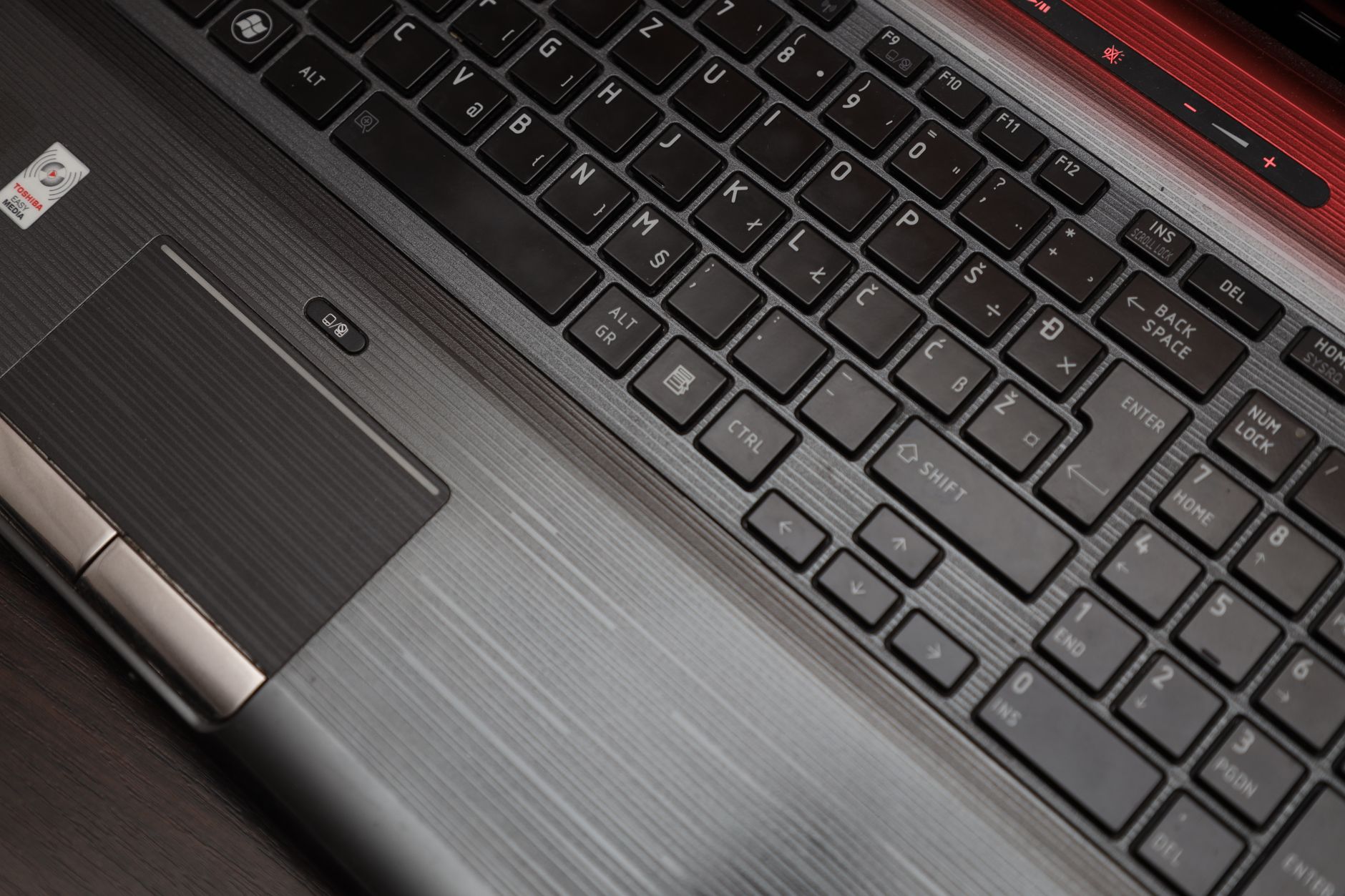
Your use case also determines portability needs. Will this laptop live on your desk, or are you carrying it between classes, coffee shops, and client meetings? A 17-inch powerhouse might be perfect for a home office but miserable to lug around campus. Consider battery life too - if you're frequently working away from outlets, you need something that can last through a full workday without hunting for a charger.
Understanding the Core Components That Matter
The processor is where your laptop's real performance lives. Often considered the brain of the machine, the processor significantly impacts overall performance and determines how quickly your laptop handles tasks and runs applications. For basic computing, a mid-range processor handles everything smoothly. But if you're running complex software, rendering videos, or doing serious multitasking, investing in a more powerful processor pays off daily.
RAM deserves more attention than most people give it. Random Access Memory is crucial for efficient multitasking and fast data access. Insufficient RAM creates those frustrating moments when your laptop slows to a crawl because you have too many browser tabs open or you're switching between applications. For basic use, you can get by with less, but if you regularly juggle multiple programs, more RAM makes a noticeable difference in how responsive your machine feels.
Storage type matters as much as storage size. Opting for a Solid State Drive over a traditional Hard Disk Drive can dramatically increase your laptop's speed, responsiveness, and durability thanks to the absence of moving parts. SSDs cost more per gigabyte, but the performance difference is night and day. Your laptop boots in seconds instead of minutes, applications launch instantly, and files transfer quickly. Even a smaller SSD often feels faster than a larger traditional hard drive.
Pro Tip
Don't just read specs - physically try the keyboard and trackpad before buying if possible. You'll use these every single day, and a cramped keyboard or jumpy trackpad can make an otherwise great laptop frustrating to use. If buying online, check the return policy so you can swap it if the typing experience doesn't work for you.
Display, Battery, and Build Quality
Screen quality affects everything you do on a laptop. Resolution matters, but so does brightness, color accuracy, and whether the display has a glossy or matte finish. If you're editing photos or videos, color accuracy becomes critical. For everyday use, make sure the screen is bright enough to use comfortably in different lighting conditions. Size is a tradeoff between screen real estate and portability - bigger displays are easier on your eyes but make the laptop heavier and bulkier.
Battery life claims from manufacturers should be taken with skepticism. Real-world battery performance depends on how you use the laptop, your screen brightness, and what applications you're running. Look for independent reviews that test actual battery life under normal conditions. If you need all-day battery life, prioritize laptops known for efficiency rather than just trusting the manufacturer's maximum runtime estimate.
Build quality might seem superficial, but it determines how well your laptop ages. A solidly built machine with quality materials handles the daily wear and tear of being opened, closed, and carried around. Cheaper plastic construction might save money upfront but can develop creaks, loose hinges, or keyboard issues over time. Feel the laptop's weight distribution - a well-designed machine feels balanced and solid, not flimsy or awkward.
Operating Systems and Budget Reality
Your operating system choice shapes your entire experience. Windows offers the widest software compatibility and hardware options at every price point. macOS provides a polished ecosystem if you're already using other Apple devices, though you'll pay a premium. Chrome OS works beautifully for cloud-based work and basic computing at budget-friendly prices. Linux gives you maximum control and customization but requires more technical comfort.
Set a realistic budget before you start shopping. It's easy to justify expensive upgrades you don't actually need. Decide what you can comfortably spend, then focus on getting the best value within that range. Sometimes last year's model offers the same practical performance at a significant discount. Refurbished laptops from reputable sellers can deliver excellent value, especially for basic computing needs.
Watch for sales cycles if you can wait. Back-to-school season, Black Friday, and new product launches often trigger deals on existing inventory. But don't wait indefinitely for a perfect sale - if you need a laptop now and find one that meets your requirements at a fair price, the productivity you gain by having it outweighs saving another hundred dollars by waiting months.
Conclusion
Choosing the right laptop comes down to matching the machine to your actual needs rather than buying the most powerful option you can afford. The processor, storage type, and RAM form the foundation of performance, but your specific use case determines how much you actually need. A student taking notes doesn't require the same specs as a video editor, and there's no reason to pay for capabilities you won't use.
Take time to honestly assess how you'll use the laptop, what features matter most for your workflow, and what trade-offs you're willing to make between portability, performance, and price. The best laptop isn't the one with the highest specs - it's the one that fits seamlessly into your daily routine and handles your tasks without making you wait or wish you'd chosen differently. Pay attention to the details that affect daily use, like keyboard comfort and battery life, not just the impressive numbers in spec sheets.
FAQs
How much RAM do I really need for everyday use?
For basic web browsing, streaming, and document work, you can function with minimal RAM, though having more provides noticeably smoother performance when multitasking. If you regularly work with multiple applications open simultaneously, run virtual meetings while taking notes, or keep dozens of browser tabs active, stepping up to a higher amount makes a real difference in responsiveness. Think about your typical workflow and whether you often find yourself waiting for your current computer to catch up.
Is it worth paying extra for an SSD instead of a traditional hard drive?
Absolutely. The performance difference between an SSD and a traditional hard drive is one of the most noticeable upgrades you can make. Your laptop boots in seconds instead of minutes, applications launch almost instantly, and file transfers happen much faster. SSDs are also more durable because they have no moving parts, making them better for laptops that get moved around frequently. Even a smaller SSD typically provides a better experience than a larger traditional drive.
Should I buy a laptop with a dedicated graphics card?
Only if you're gaming, editing video, working with 3D modeling, or running other graphics-intensive applications. For general productivity work, web browsing, streaming video, and office tasks, integrated graphics handle everything you need while saving battery life and reducing cost. A dedicated graphics card adds weight, drains battery faster, and increases price significantly. Unless your specific workflow requires it, integrated graphics are perfectly adequate and often the smarter choice.
