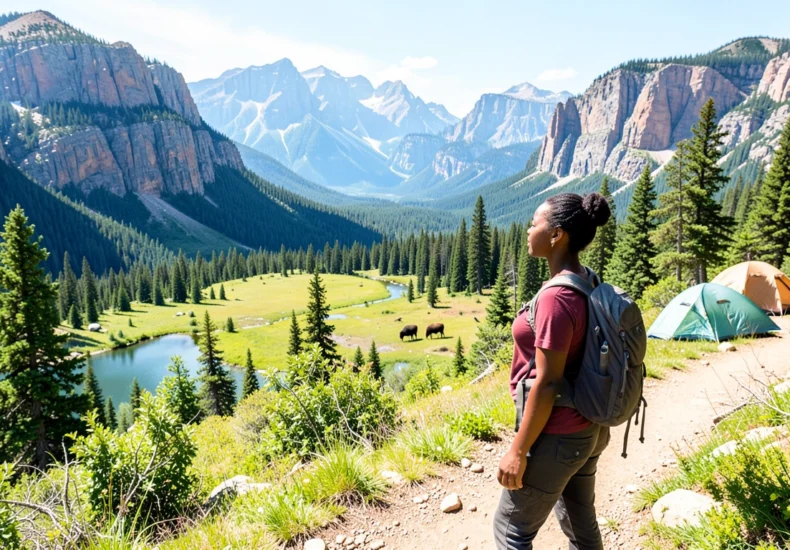
Exploring National Parks: Hiking, Camping & Wildlife
America's national parks stand as some of the most breathtaking landscapes on the planet, offering outdoor enthusiasts unparalleled opportunities to connect with nature. Whether you're drawn to the challenge of backcountry trails, the quiet of a campfire under starlit skies, or the thrill of spotting wildlife in their natural habitat, these protected lands deliver experiences that stay with you long after you've returned home. With over 84 million acres of diverse terrain spanning the country, the parks welcome everyone from first-time visitors to seasoned adventurers. The key is knowing how to make the most of what each park offers and preparing properly for your chosen activities.
TL;DR
- U.S. national parks span over 84 million acres and feature world-class hiking trails, from easy nature walks to challenging backcountry routes reaching elevations over 12,000 feet.
- Camping options range from developed campgrounds with amenities to primitive backcountry sites, with parks like Yellowstone and Yosemite offering varied terrain and ecosystems.
- Wildlife viewing opportunities include observing free-roaming bison herds, endangered California Condors, and species uniquely adapted to park environments like pink rattlesnakes in the Grand Canyon.
- Proper preparation, timing your visit, and understanding park-specific regulations are essential for safe and rewarding experiences in these protected landscapes.
Hiking Through America's Most Spectacular Landscapes
The trail systems in national parks range from wheelchair-accessible boardwalks to multi-day wilderness routes that test even experienced hikers. Rocky Mountain National Park alone features 77 mountain peaks over 12,000 feet high, with Trail Ridge Road serving as the highest continuous paved highway in the U.S., reaching over 12,000 feet. This gives you access points to trails at various elevations, letting you choose routes matching your fitness level and acclimatization to altitude.
Yosemite National Park showcases the dramatic granite landscapes that make California famous, with trails leading to viewpoints of Yosemite Falls, the tallest waterfall in North America with a total drop of 2,425 feet across three sections. The park's exposed granite monolith, El Capitan, dominates the valley floor and draws rock climbers from around the world. Meanwhile, paths through Mariposa Grove take you among giant sequoia trees, some estimated to be nearly 3,000 years old.
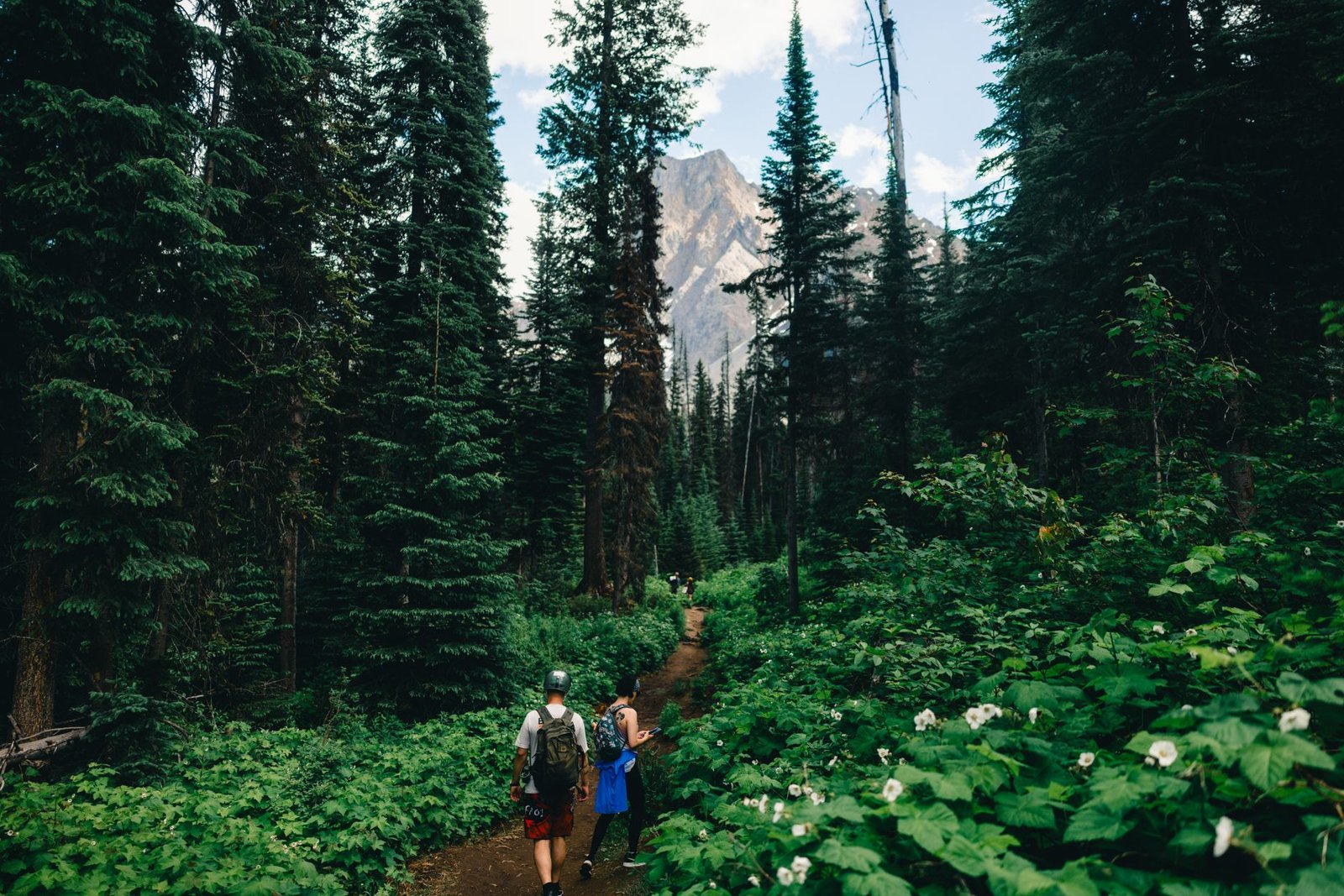
When planning your hikes, consider that elevation and terrain vary dramatically between parks. More than 95% of Rocky Mountain National Park is designated as wilderness, meaning trails can be rugged and remote. The Grand Canyon offers a unique challenge where descending is the easy part, but climbing back out tests your endurance in a completely different way. Zion National Park draws over four million visitors annually, making it the most visited of Utah's "Mighty 5" national parks, so timing your hike early in the day can mean the difference between solitude and crowds.
Finding Your Perfect Campsite
Camping in national parks puts you right in the heart of these protected ecosystems, whether you prefer a developed campground with running water or a backcountry site where you're truly off the grid. The experience changes dramatically based on which park you choose and what time of year you visit.
Yellowstone National Park, established in 1872 as the world's first national park, offers multiple campgrounds across its massive footprint. The park encompasses the largest intact temperate ecosystem in the world, covering 3,500 square miles. This means you could camp near geothermal features, beside pristine lakes, or in forested areas where elk bugle at dawn. With over 10,000 hydrothermal features including more than 500 geysers, you're never far from otherworldly landscapes that remind you you're camping atop an active supervolcano with a caldera approximately 1,000 square miles in size.
The Grand Canyon presents entirely different camping options, from the South Rim's developed campgrounds to backcountry permits that let you camp below the rim. The canyon is larger than the state of Rhode Island, giving you vast areas to explore. Keep in mind the park's unique geology, the Great Unconformity, places 1.2 billion-year-old rocks directly against 250-million-year-old rocks, creating landscapes unlike anywhere else.
Pro Tip
Book your campsite as early as possible, especially for popular parks during peak season. Many parks open reservations six months in advance, and prime sites fill within minutes. Having a backup plan for nearby national forest campgrounds gives you flexibility if park sites are full.
Wildlife Viewing Opportunities and Etiquette
Watching animals in their natural habitat ranks among the most memorable experiences national parks offer. The diversity of species and their behaviors provide endless fascination, but responsible viewing requires understanding, patience, and respect for these wild creatures.
Yellowstone hosts the largest free-roaming herd of bison in the world, along with more than 100 species of mammals recorded throughout the park. You might spot wolves, grizzly bears, elk, and moose (though moose were not originally native to Rocky Mountain National Park and were introduced in 1978). The Virgin River that carved Zion Canyon over millions of years supports its own ecosystem, while the park also provides habitat for endangered California Condors, which you can sometimes spot soaring above the red rock cliffs.
The Grand Canyon is home to pink rattlesnakes, camouflaged to blend with the rocks, a reminder that wildlife viewing requires constant awareness. Different elevations within parks support different species, thanks to varying temperatures and vegetation. With over 1,000 plant species recorded in some parks due to elevation changes, the food chain supports remarkable biodiversity.
The National Park Service recommends maintaining safe distances from all wildlife. For bears and wolves, that means staying at least 100 yards away. For bison, elk, and other large mammals, keep at least 25 yards between you and the animals. These aren't just suggestions - they're critical for both your safety and the animals' wellbeing. Wildlife that becomes habituated to humans often must be relocated or euthanized.
Preparing for Your National Park Adventure
Success in national parks comes down to preparation. The parks themselves provide incredible settings, but your experience depends heavily on how well you've planned for the specific conditions you'll encounter.
Physical preparation matters, especially for high-altitude parks. Rocky Mountain National Park encompasses 415 square miles with an elevation range from 7,860 feet to 14,259 feet. If you're coming from sea level, arriving a day early to acclimatize can prevent altitude sickness from ruining your trip. Hydration becomes critical at elevation, where the air is drier and your body works harder with every breath.
Weather in national parks can change rapidly. The same day might bring blazing sun, afternoon thunderstorms, and dropping temperatures after sunset. Layered clothing, rain gear, and sun protection are non-negotiables regardless of which park you visit. The heat and acidity of Yellowstone's hot springs are powerful enough to dissolve organic matter rapidly, so staying on designated trails protects you from hidden dangers beneath seemingly solid ground.
Research park-specific regulations before you arrive. Some parks require permits for backcountry camping, while others operate on a first-come, first-served basis for certain areas. Bear canisters might be mandatory in some wilderness areas. Fire restrictions change based on conditions. Checking the official park website or calling ranger stations before you leave home saves disappointment and potential fines.
Conclusion
National parks represent some of the most carefully preserved landscapes in America, offering experiences that range from leisurely afternoon walks to challenging multi-day expeditions. Whether you're standing at the rim of the Grand Canyon, one of the Seven Natural Wonders of the World, watching geysers erupt in Yellowstone, or camping beneath Yosemite's granite walls, these places remind us why conservation matters. The popularity of parks like Great Smoky Mountains National Park, the most visited in the United States, followed by Grand Canyon and Zion, proves that Americans value these protected spaces. But popularity brings responsibility. We need to tread lightly, follow Leave No Trace principles, and respect both the wildlife and the wilderness that make these parks special. The trails, campsites, and viewing areas you enjoy today depend on everyone doing their part to preserve them for future generations. Plan thoroughly, pack appropriately, and approach your visit with both excitement and humility. The parks will reward you with memories that last a lifetime.
FAQs
What's the best time of year to visit national parks for hiking and camping?
The ideal visiting window depends on which park you're targeting and what activities you have planned. Generally, late spring through early fall offers the most accessible conditions for hiking and camping, with trails clear of snow and campgrounds fully operational. However, this is also peak season, meaning crowded trails and full campgrounds. If you can visit during shoulder seasons like late September or early May, you'll find fewer crowds and often pleasant weather, though some high-elevation areas may still have snow. Winter visits require specialized gear and experience but offer solitude and unique beauty. Check specific park conditions before booking, as parks at different elevations and latitudes have vastly different seasonal patterns.
Do I need any special permits for hiking and camping in national parks?
Requirements vary significantly between parks and even between different areas within the same park. Most developed campgrounds require reservations, which you can typically make through the park's official website or recreation.gov. Backcountry camping almost always requires a permit, with some parks using lottery systems for popular routes during peak season. Day hiking usually doesn't require permits, though some parks have implemented timed entry systems for popular trails or areas to manage crowds. Always check the specific park's website well before your trip, as some permits must be obtained weeks or months in advance. Certain activities like climbing, fishing, or collecting firewood may also require additional permits or licenses.
How close can I safely get to wildlife in national parks?
Safe viewing distances depend on the animal species and their behavior. As a general rule, stay at least 100 yards from bears and wolves, and at least 25 yards from bison, elk, deer, and other large mammals. If an animal changes its behavior because of your presence, you're too close and need to back away. Use binoculars or telephoto lenses to observe animals from safe distances rather than approaching for closer photos. Never feed wildlife or leave food accessible to them, as this habituates animals to humans and often leads to dangerous situations that can result in the animal being euthanized. If an animal approaches you, remain calm, avoid sudden movements, and slowly create more distance between yourself and the animal.
