Creating a Vertical Garden: Growing Up Instead of Out
Running out of room for your tomato plants? Got a sunny balcony but no backyard? Vertical gardening might be your answer. Instead of spreading plants across a yard you don't have, you're stacking them upward on walls, trellises, and towers. It's not just a space-saving trick - vertical gardens can improve air circulation around your plants, make harvesting easier, and even help regulate building temperatures through natural insulation. Whether you're working with a tiny patio or just want to transform a blank wall into something green and productive, growing up instead of out opens up possibilities you might not have considered.
TL;DR
- Vertical gardens maximize limited space and work well in urban environments where horizontal room is scarce.
- Growing upward improves air circulation, reducing pest and disease risks while making harvesting more accessible.
- Some vertical systems can grow up to 50 plants in just four square feet, with built-in composting features.
- Vertical gardens provide natural insulation for buildings and help purify the air by trapping dust and particles.
Why Vertical Gardening Makes Sense Today
The concept isn't new. The ancient Romans trained vines on walls and used trellises for climbing plants. The Hanging Gardens of Babylon - one of the ancient world's wonders - showcased tiered structures for growing plants centuries ago. Professor Stanley Hart White even patented a modern green wall system back in 1938, long before vertical gardens became trendy.
What's changed is how many of us need this approach now. Urban living means smaller yards, balconies instead of gardens, and concrete where soil used to be. Vertical gardening turns unoccupied wall space into productive growing areas. That blank fence? A potential herb garden. The sunny side of your apartment building? Room for salad greens.
Beyond space efficiency, vertical gardens address practical problems. Better air circulation around elevated plants means fewer fungal issues and reduced pest pressure. You're not bending over or kneeling to tend your plants - everything's at a comfortable height. Harvesting becomes simpler when your lettuce is at eye level instead of ground level. Vertical gardening maximizes space while making the whole process more ergonomic.
The environmental benefits matter too. Vertical gardens improve local air quality by purifying the air and trapping airborne particles and dust. When installed on building exteriors, they provide natural insulation and shade, reducing energy consumption for both heating and cooling. They're not just decorative - they're functional.
Choosing the Right Vertical System for Your Space
Not all vertical gardens are created equal. What works for a sunny balcony won't necessarily fit a shaded courtyard. You need to match the system to your space, your plants, and your commitment level.
Trellises and arbors are the simplest entry point. These support climbing plants like beans, peas, cucumbers, and vining flowers. You can build a basic trellis from bamboo stakes or wire mesh, or buy pre-made versions in wood or metal. The key is sturdy anchoring - once your cucumber vines are loaded with fruit, they're heavier than you'd think.
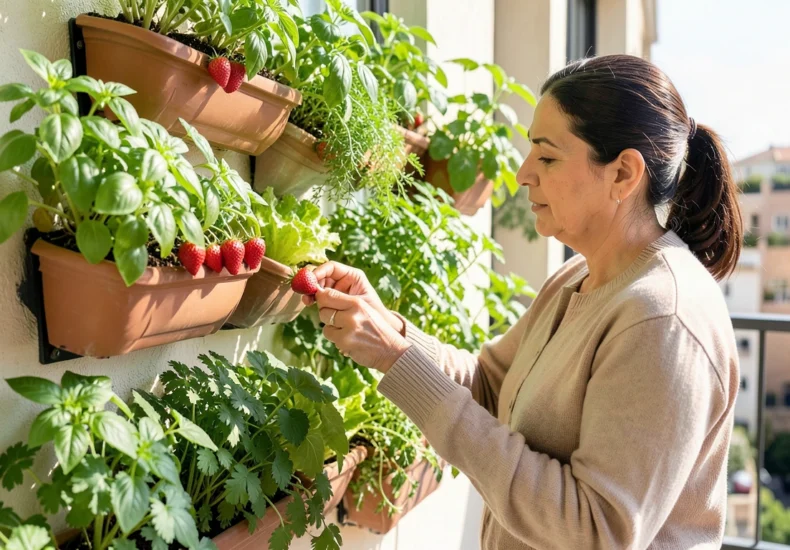
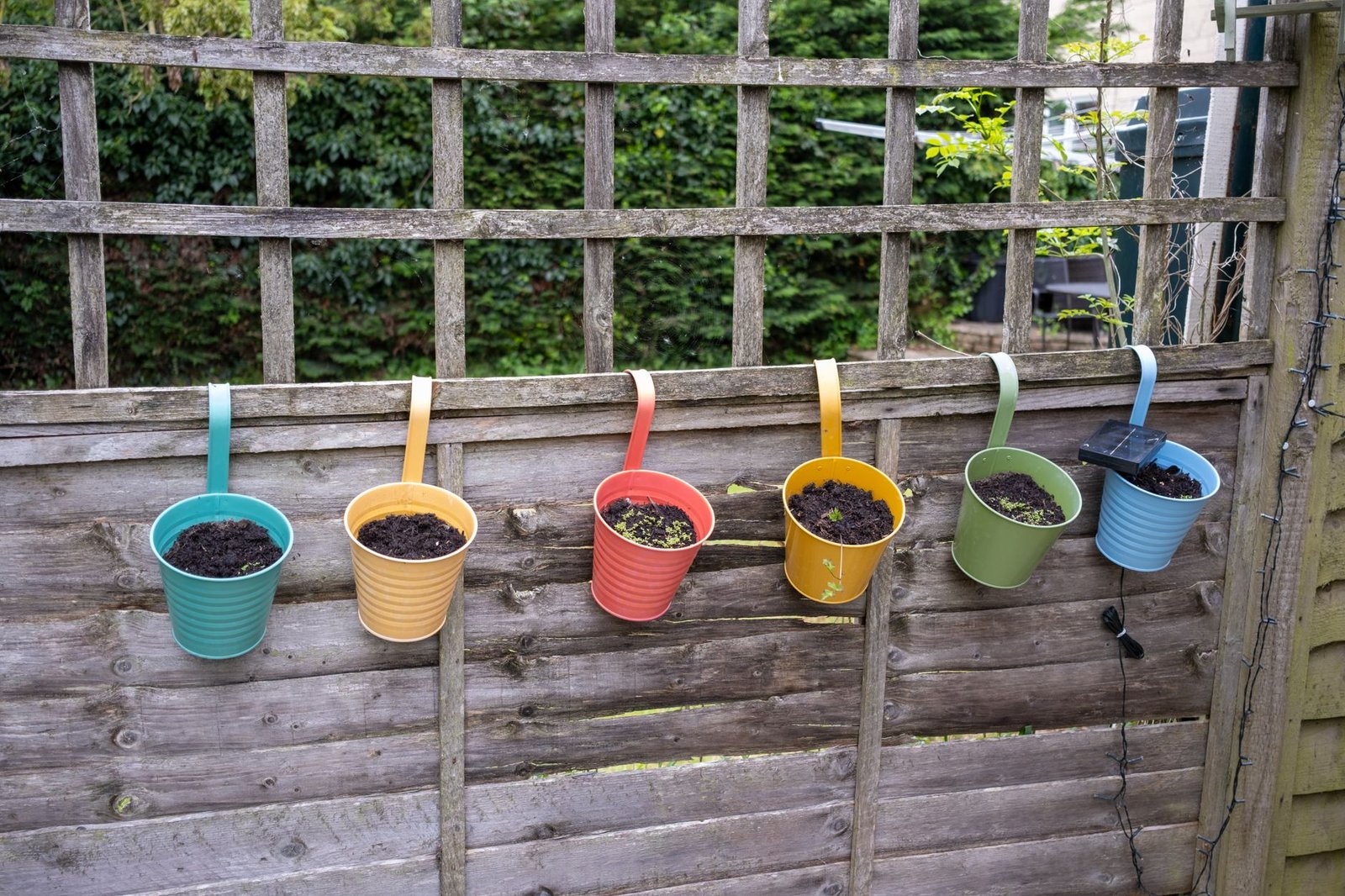
Wall-mounted planters and pocket systems work well for herbs, strawberries, and leafy greens. These range from simple hanging pots to fabric pockets with multiple planting slots. They're modular, so you can start small and expand. The downside? They dry out faster than ground-level beds, so you'll water more frequently.
Tower systems take vertical gardening to another level. Some commercial options can grow up to 50 plants in just four square feet and include built-in composting systems. These cylindrical towers rotate or have multiple planting ports around the sides. They're excellent for small spaces but require more initial investment and setup.
Pro Tip
Install a drip irrigation system or soaker hose along your vertical garden before planting. Watering elevated containers by hand gets tedious fast, and consistent moisture matters more when plants are stacked closely together.
Living walls and green facades represent the advanced end of the spectrum. These are fully planted vertical surfaces, often with integrated irrigation and drainage. They create dramatic visual impact and significant environmental benefits, but they need professional installation and regular maintenance. Unless you're committed to the upkeep or hiring help, start simpler.
What Grows Best Vertically
Some plants are natural climbers. Others adapt well to vertical life with a little support. And some just won't thrive no matter how cleverly you arrange them.
Vining vegetables love vertical growing. Pole beans, peas, cucumbers, and indeterminate tomatoes all climb willingly with support. Training them upward saves ground space and keeps fruit cleaner and easier to spot. Squash and melons can grow vertically too, though heavy fruits need individual slings or support to prevent vine damage.
Herbs thrive in wall-mounted systems. Basil, parsley, cilantro, thyme, and oregano all do well in vertical planters. They're lightweight, don't need deep root zones, and you're harvesting leaves rather than heavy fruit. Plus, having herbs at eye level means you'll actually use them instead of forgetting they exist.
Strawberries are perfect vertical candidates. They produce runners naturally, their shallow roots fit pocket planters well, and elevation helps prevent slug damage. Tower systems work beautifully for strawberries, giving you a column of berries in minimal floor space.
Leafy greens and salads adapt easily. Lettuce, spinach, arugula, and kale work in vertical systems as long as they get enough light and consistent moisture. They're relatively lightweight and fast-growing, so you can harvest and replant frequently.
What doesn't work? Root vegetables like carrots and potatoes need depth, not height. Sprawling plants like pumpkins overwhelm most vertical structures. Heavy-headed plants like cauliflower and broccoli tend to topple. Work with plant biology, not against it.
Maintenance and Common Challenges
Vertical gardens aren't set-and-forget. They need attention, though different systems have different demands.
Watering is the biggest ongoing task. Elevated containers dry out faster than ground-level beds because they're exposed to air on all sides. Drainage matters too - you don't want water pooling in upper planters and drowning those plants while lower ones stay dry. Many vertical gardeners find that automated drip systems or timer-controlled soaker hoses save significant time and produce more consistent results.
Soil quality affects vertical gardens more than traditional beds. You're working with limited soil volume, so fertility matters. Use quality potting mix rather than garden soil - it's lighter and drains better. Regular feeding helps, since frequent watering leaches nutrients faster.
Weight becomes a concern with larger installations. A fully planted and watered tower system or wall planter weighs considerably more than when empty. Make sure your mounting points can handle the load. If you're attaching anything to a building wall, factor in the weight of wet soil and mature plants, not just the empty structure.
Pests and diseases still find vertical gardens, but improved air circulation helps. Plants spaced on a vertical structure get better airflow than those crowded in ground beds, which reduces fungal problems. Harvesting accessibility means you'll spot pest issues earlier.
Seasonal changes affect vertical systems more dramatically. Container plants are more vulnerable to temperature swings than those insulated by surrounding ground soil. In cold climates, vertical gardens may need winter protection or complete disassembly. In hot climates, afternoon shade might become essential.
Conclusion
Vertical gardening transforms limitations into opportunities. That narrow side yard, shaded balcony, or blank wall can become productive growing space when you shift from thinking horizontally to vertically. You're not just saving space - you're creating gardens that are easier to maintain, more accessible to harvest, and potentially better for the plants themselves through improved air circulation.
Start simple. A trellis for beans or a wall-mounted herb planter teaches you the basics without major investment. As you learn what works in your specific conditions, you can expand to more ambitious systems. The key is matching your vertical approach to your actual space, climate, and commitment level. A tower system growing 50 plants sounds impressive, but it's pointless if you're not home enough to water it properly.
The best vertical garden is the one you'll actually tend. Pick a system that fits your life, choose plants suited to your conditions, and enjoy the fact that you're growing food or beauty in space you thought was too small to garden. Sometimes the best direction to expand is up.
FAQs
How much sun does a vertical garden need?
It depends entirely on what you're growing. Fruiting plants like tomatoes, peppers, and cucumbers need full sun - typically six to eight hours of direct sunlight daily. Leafy greens and herbs can handle partial shade, working well with four to six hours. Many vertical systems are portable enough to position in your sunniest spot, which is an advantage over fixed garden beds. If your only vertical space is shaded, focus on shade-tolerant plants like lettuce, spinach, and certain herbs rather than fighting your conditions.
Can I build a vertical garden indoors?
Yes, though it requires planning for light, water, and drainage. Indoor vertical gardens work well near bright windows or under grow lights. Living wall systems designed for interiors include integrated drainage to protect floors and walls from moisture damage. Herbs, microgreens, and certain compact vegetables like lettuce grow successfully indoors. The main challenges are providing adequate light intensity and managing humidity without creating moisture problems. Start with a small wall-mounted herb system to learn the dynamics before investing in larger indoor installations.
How often do vertical gardens need watering?
More frequently than ground-level gardens, often daily during hot weather. Elevated containers dry out faster because they're exposed to air and wind on multiple sides. The exact frequency depends on your climate, the plants you're growing, container size, and soil composition. Small pocket planters might need watering twice daily in summer heat, while larger tower systems with more soil volume hold moisture longer. This is why many vertical gardeners install drip irrigation or timer systems - hand-watering elevated planters gets tedious quickly, and inconsistent moisture stresses plants and reduces yields.
