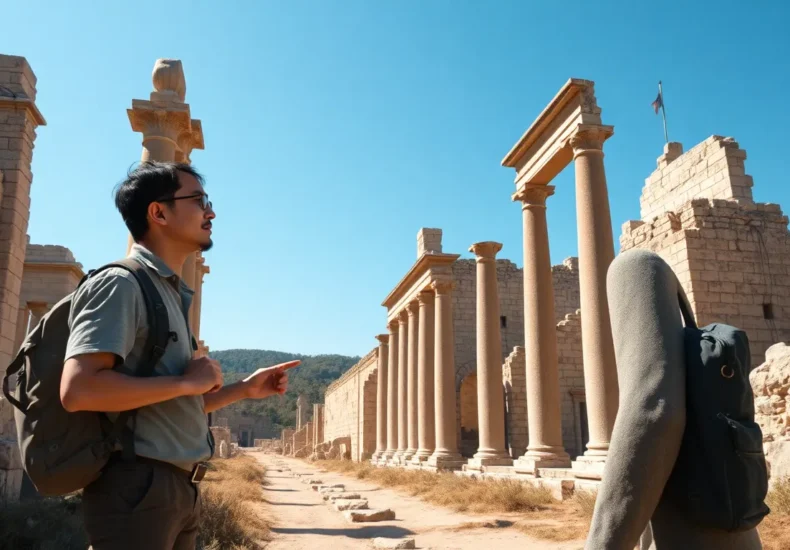
Exploring Ancient Ruins: A Journey Through History
Standing before towering columns worn smooth by millennia, walking through doorways that once echoed with ancient voices, touching stones laid by hands long turned to dust - exploring ancient ruins connects us to humanity's shared story in ways no textbook ever could. These archaeological sites aren't just tourist destinations or academic curiosities. They're tangible links to civilizations that solved problems, built communities, celebrated victories, and faced challenges remarkably similar to our own. Whether you're planning your first archaeological adventure or deepening your appreciation for these historical treasures, understanding what makes ancient ruins significant transforms them from crumbling old buildings into powerful narratives carved in stone.
TL;DR
- Ancient ruins reveal sophisticated engineering, social structures, and daily life practices that challenge assumptions about "primitive" cultures.
- Modern technology like satellite imagery and ground-penetrating radar helps archaeologists discover and study sites without destructive excavation.
- Famous discoveries like Tutankhamun's tomb in 1922 and Machu Picchu's revelation in 1911 continue shaping our understanding of ancient civilizations.
- Visiting ruins responsibly means respecting preservation efforts while connecting personally with historical narratives that span thousands of years.
The Stories Written in Stone
Every ancient ruin tells multiple stories simultaneously. There's the obvious narrative - what the structure was built for, who used it, when it fell to ruin. But look closer, and you'll find layers of meaning archaeologists spend careers unraveling. The way stones fit together reveals technological knowledge. Wear patterns on floors show traffic flow and daily routines. Pottery shards and food remains expose dietary habits and trade networks spanning continents.
Take the Roman hypocaust system, for example. This underfloor heating technology operated over 2,000 years ago, channeling hot air beneath floors and through walls to warm buildings during winter. Walking through the excavated remains of Roman bathhouses, you can still see the raised floors supported by pillars, the spaces where hot air circulated, the channels that distributed warmth throughout massive public spaces. This wasn't primitive shelter - this was climate control engineering that wouldn't be matched in Europe for over a millennium after Rome's fall.
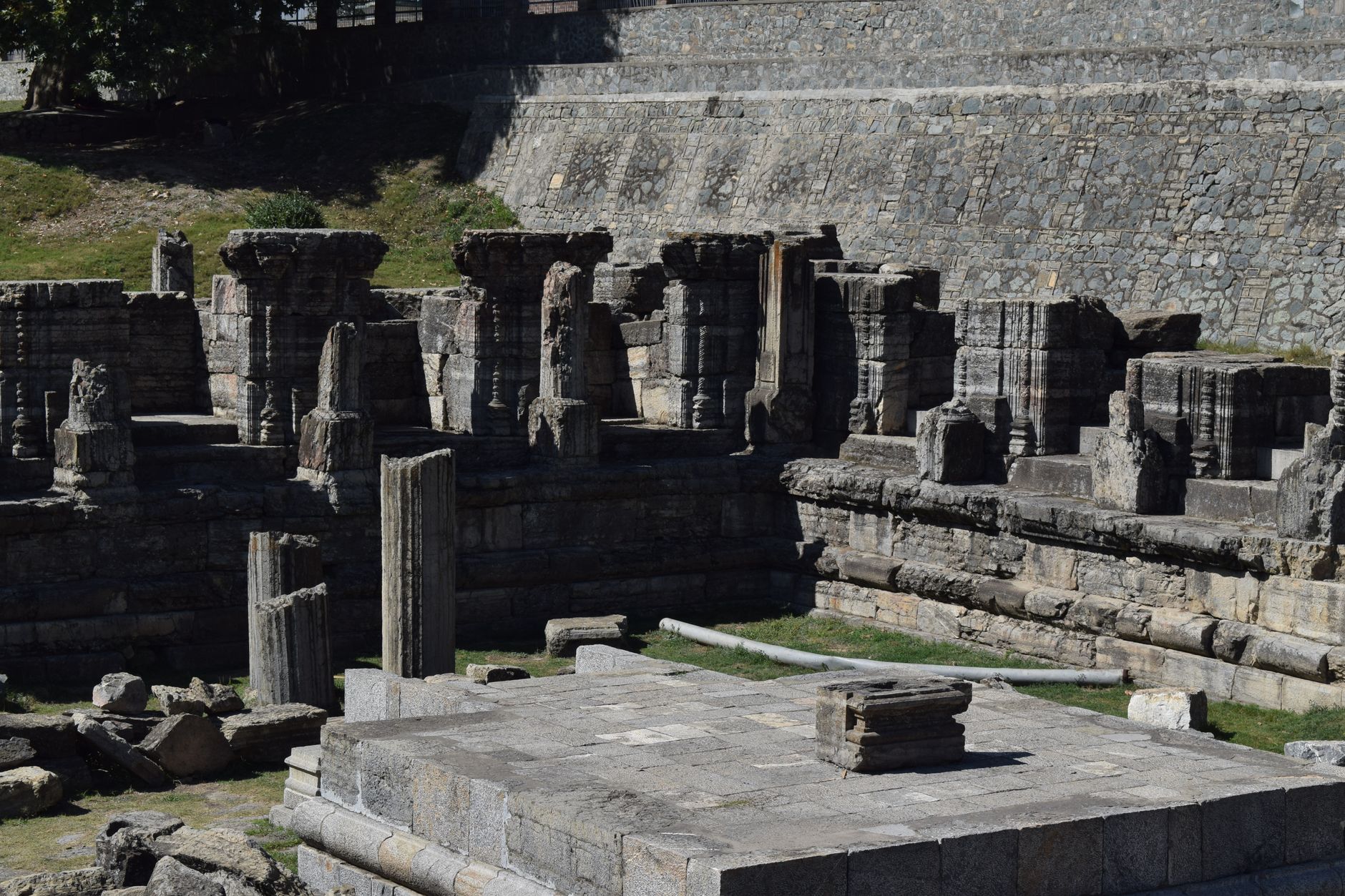
These technological achievements force us to reconsider assumptions about historical progress. Ancient peoples didn't lack intelligence or capability - they lacked different technologies and faced different constraints. Their solutions were often ingenious, adapted perfectly to local materials and conditions. Studying ruins with this perspective transforms them from curiosities into case studies in human problem-solving across vastly different contexts.
Famous Discoveries That Changed Everything
Some archaeological discoveries become cultural touchstones, capturing public imagination while fundamentally shifting scholarly understanding. Howard Carter's excavation of Tutankhamun's tomb in 1922 revealed a treasure trove of objects that provided unprecedented insight into Egyptian burial practices, craftsmanship, and daily life. The discovery sparked worldwide Egyptomania and demonstrated how much remained hidden beneath desert sands, waiting to rewrite history books.
Machu Picchu's revelation to the wider world came when Hiram Bingham reached the site in 1911, though local people knew of its existence. This mountaintop Inca citadel showcased architectural sophistication that seemed impossible without modern tools - precisely fitted stone walls requiring no mortar, agricultural terraces that still prevent erosion, water management systems that continue functioning today. The site raised as many questions as it answered about Inca capabilities and purposes.
Arthur Evans's excavations at Knossos between 1900 and 1905 uncovered clay tablets inscribed with Europe's oldest deciphered language, Linear B. For decades, these mysterious symbols defied translation until Michael Ventris cracked the code, revealing them as an early form of Greek. This single breakthrough pushed European literacy back centuries and connected Minoan civilization to later Greek culture in ways scholars hadn't suspected.
Pro Tip
When visiting popular ancient sites, arrive at opening time or during off-season months. You'll experience ruins with fewer crowds, better lighting for photography, and the quiet necessary to truly absorb the atmosphere that makes these places special.
Modern Technology Meets Ancient Mystery
Archaeological exploration has transformed dramatically in recent decades. Archaeologists now frequently use satellite imagery and geophysical techniques to locate ancient sites and structures before ever breaking ground. Ground-penetrating radar can map underground features, revealing buried walls, rooms, and artifacts without disturbing the soil. LiDAR technology pierces jungle canopies to expose hidden cities beneath dense vegetation, recently uncovering vast Maya settlements no one knew existed.
These non-invasive methods protect sites while gathering information that would have required extensive excavation just years ago. Digging destroys context - once you remove an artifact from its precise location, you lose data about its relationship to surrounding objects, soil layers, and structural elements. Modern techniques preserve sites while extracting maximum information, allowing future archaeologists with better technology to study the same ground with fresh approaches.
Digital reconstruction brings ruins back to life virtually. Laser scanning creates millimeter-accurate 3D models that let researchers study sites remotely, test theories about construction methods, and show the public what structures looked like before time weathered them. Virtual reality experiences place you in reconstructed ancient cities, walking streets as they appeared thousands of years ago, experiencing scale and atmosphere impossible to convey through photos or drawings alone.
Planning Your Own Archaeological Adventure
Visiting ancient ruins requires different preparation than typical travel. Research local customs and restrictions around archaeological sites - some places forbid flash photography, limit visitor numbers, or close certain areas for preservation. Understanding basic context before arrival enhances appreciation dramatically. Knowing why a temple faces a particular direction, what ceremonies occurred in specific rooms, or which architectural features represent status or religious symbolism transforms passive sightseeing into active historical engagement.
Physical preparation matters too. Many significant ruins involve substantial walking, often in heat without shade, sometimes at altitude or across uneven surfaces. Comfortable shoes aren't optional - they're essential. Bring water, sun protection, and appropriate clothing. Some sites require modest dress or have specific entry requirements. Check ahead rather than arriving unprepared and disappointed.
Consider hiring local guides with archaeological backgrounds rather than general tour operators. Knowledgeable guides point out details you'd miss, explain discoveries too recent for guidebooks, and share stories that animate ruins beyond simple facts. They also help contextualize what you're seeing within broader cultural frameworks, connecting individual sites to larger historical patterns.
Respect preservation efforts absolutely. Never touch artifacts, climb on restricted structures, or remove even small stones as souvenirs. These places survived centuries or millennia - thoughtless tourist behavior can damage them irreparably in minutes. Your responsibility as a visitor is leaving sites unchanged for future generations who deserve the same opportunity to experience human history directly.
Conclusion
Ancient ruins represent more than architectural achievements or tourist attractions. They're physical manifestations of human creativity, ambition, spirituality, and daily life across cultures and centuries. Walking through them connects us directly to people who faced universal human questions - how to shelter families, honor the divine, organize societies, express beauty, commemorate the dead, celebrate life. Their solutions differed from ours in specifics but arose from identical human drives.
The thrill of exploration isn't just about seeing impressive structures. It's about the moment you notice a detail - a worn threshold stone, a child's handprint in ancient plaster, graffiti carved by a Roman soldier - that suddenly makes the distant past feel immediately present. These intimate traces of individual lives transform historical abstractions into human reality. They remind us that everyone who shaped these stones, walked these paths, and gazed at these views was as fully human as we are, living complete lives in their own present moment.
Whether you explore famous sites or lesser-known ruins, approach them with curiosity and respect. Every archaeological site holds stories waiting to be understood, connections waiting to be made, perspectives waiting to shift your understanding of human possibility across time.
FAQs
What should I bring when visiting ancient ruins?
Essential items include comfortable walking shoes with good traction, sun protection (hat, sunscreen, sunglasses), plenty of water, and appropriate clothing for the climate and cultural context. Bring a small flashlight for darker structures, a camera with extra batteries, and a guidebook or downloaded information for context. Skip large bags when possible, as many sites restrict them or require time-consuming security checks.
How do archaeologists determine the age of ruins?
Multiple dating methods work together to establish timelines. Radiocarbon dating measures carbon isotope decay in organic materials like wood or bone. Pottery styles and artifact types provide relative dating by comparing to known sequences. Stratigraphic analysis examines soil layers, with deeper layers generally older. Coins, inscriptions, and historical records offer direct dates when available. Thermoluminescence dating measures when pottery or bricks were last fired. Combining multiple methods provides more accurate age estimates than any single technique.
Are ancient ruins safe to visit?
Most established archaeological sites open to tourists are safe, with maintained paths, safety barriers around hazards, and regular structural assessments. However, ruins present inherent risks - uneven surfaces, loose stones, weather exposure, and limited emergency services in remote locations. Follow marked paths, obey warning signs, watch your footing carefully, and avoid climbing on unstable structures. Check travel advisories for regions you plan to visit, as political instability or natural disasters can affect site safety beyond archaeological considerations.
