Preparing Your Home for a New Baby Without Overspending
A new baby brings joy, excitement, and a long list of things you'll need. But preparing your home doesn't mean emptying your bank account. The baby industry wants you to believe you need every gadget and gizmo on the market, but the truth is simpler. With some smart planning, a little creativity, and focus on what truly matters, you can create a safe, comfortable space for your little one without financial stress. The key is separating the essentials from the excess and finding ways to save on the things you really do need.
TL;DR
- Repurpose what you already own - an old dresser can become a changing table, and DIY wall art beats expensive nursery decorations.
- Buy strategically secondhand, checking the CPSC recall database and NHTSA website for safety alerts before acquiring used gear.
- Invest in convertible furniture like cribs that transform into toddler beds to extend usefulness and save long-term.
- Take advantage of registry perks like Amazon's welcome box and completion discount to stretch your budget further.
Focus on True Essentials First
Before you buy anything, make a list of what your baby actually needs in the first few weeks. That list is shorter than you think. A safe place to sleep, basic clothing, diapers, and feeding supplies top the chart. Everything else can wait. Many parents discover they've spent hundreds on items that never get used while scrambling to buy things they didn't realize they needed.
Start with the big-ticket safety items where you shouldn't compromise: a car seat and a safe sleep space. For the car seat, whether you buy new or used, check the NHTSA website to ensure the model is safe and verify there are no outstanding recalls. A bassinet or crib comes next, and this is where thinking long-term saves money. Instead of buying a new crib that your child will outgrow, consider purchasing one that converts into a toddler bed and potentially a full-size bed later. The upfront cost might be higher, but you'll avoid buying three separate beds over the years.
Clothing needs are simpler than the cute outfits suggest. Babies grow fast, sometimes wearing a size for only a few weeks. Buying secondhand baby clothes, outerwear, and shoes is generally safe, provided they are cleaned thoroughly and inspected for hazards like loose buttons or damaged snaps. Focus on comfortable basics rather than fancy outfits that get worn once for photos.
Transform What You Already Have
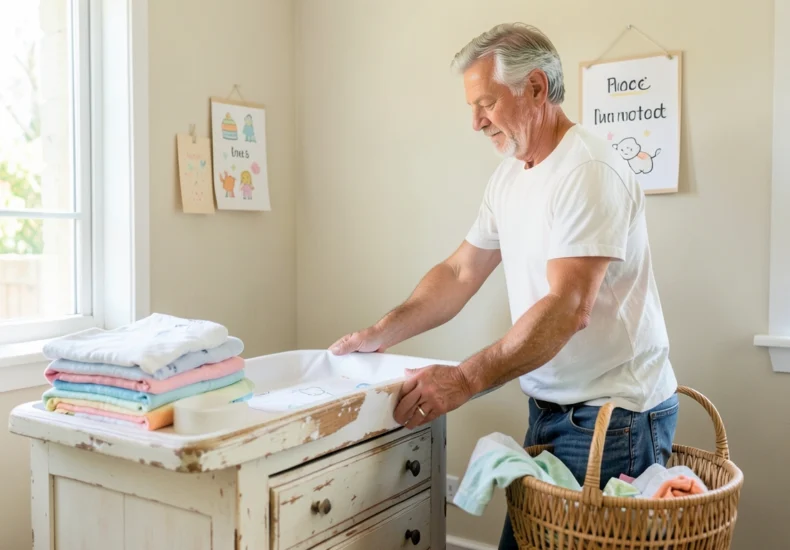
Walk through your home before you shop. That dresser in the guest room? With a fresh coat of paint and a changing pad on top, it becomes a perfectly functional changing station. Repurposing existing furniture saves money on nursery furnishings and gives old pieces new life. An unused bookshelf can store baby supplies, blankets, and toys. A comfortable chair from another room works fine for late-night feedings.
The nursery itself doesn't need a designer touch. You can save money on nursery decorations by creating your own wall art using simple designs, quotes, or your baby's name on blank canvases. A weekend painting project costs a fraction of store-bought nursery art sets, and it's more personal. Simple adhesive wall decals, homemade mobiles, or framed fabric swatches create visual interest without the expense.
Think about your daily routines too. Do you really need a dedicated diaper pail, or will a regular trash can with a lid and frequent emptying work just as well? Could you use receiving blankets as burp cloths instead of buying specialized items? These small decisions add up to significant savings without sacrificing functionality or safety.
Pro Tip
Before buying used baby gear, always check the CPSC recall database for current and past safety alerts. A quick search by product name or model number can prevent bringing a dangerous item into your home, no matter how good the deal seems.
Smart Shopping Strategies That Actually Work
Registry perks exist for a reason - use them. Amazon baby registry provides perks like a welcome box of baby supplies and a completion discount that can be used around your due date. That discount can save a meaningful amount on items you genuinely need. Other retailers offer similar programs, so compare what each provides before committing to one.
For everyday consumables like diapers and wipes, look for multi-function products. Some newer products are designed to perform multiple functions, reducing the number of items you need to buy. Stock up during sales, but don't go overboard - babies change sizes and sensitivities faster than you expect. Buying too much of one size or brand can leave you with unusable products.
Consider the cost differences in feeding methods too. Breastfeeding, if possible, is a healthy and more economical way to feed a baby compared to buying formula. That said, fed is best - if breastfeeding doesn't work for you, don't add guilt to your budget concerns. Look for formula assistance programs, store brands that meet the same nutritional standards as name brands, and bulk purchasing options.
When you do need to buy new, time your purchases strategically. Black Friday, end-of-season clearances, and retailer anniversary sales often bring genuine discounts on baby gear. Join parenting groups online where members share deals and coupon codes. Set up price alerts for specific items you're watching.
The Borrowing and Secondhand Balance
Friends and family with older children often have baby items taking up space in their homes. Ask to borrow what you can, especially short-use items like infant swings, bouncer seats, or a baby bathtub. Most parents are happy to help, and it costs you nothing. Just be respectful - return items promptly and in good condition, or offer to pass them along to the next family who needs them.
Secondhand stores, consignment sales, and online marketplaces overflow with gently used baby items. The challenge is knowing what's safe to buy used. Soft goods like clothes, blankets, and books are generally fine after a good washing. Furniture and gear require more caution. Never buy a used car seat unless you know its complete history - if it's been in any accident, even a minor one, it may not protect your child properly. Check expiration dates on car seats too, as materials degrade over time.
High chairs, strollers, and play yards can be purchased secondhand if you inspect them carefully. Look for structural integrity, working safety straps, and all original parts. Cross-reference the model number against recall lists before bringing anything home. If something seems off or you can't verify its safety, skip it. Your peace of mind is worth more than the savings.
Conclusion
Preparing for a baby on a budget isn't about deprivation or cutting corners on safety. It's about being intentional with your money, creative with your resources, and realistic about what a newborn actually needs. Your baby won't remember whether the nursery had matching furniture or designer decorations. They will be perfectly content with a safe sleep space, clean clothes, full belly, and your loving presence. The pressure to create an Instagram-worthy nursery or own every trending baby product serves retailers more than it serves your family. By focusing on essentials, repurposing what you have, shopping smart, and accepting help from your community, you can welcome your baby into a prepared home without financial strain. The best gift you can give your new family is financial stability and reduced stress, not a room full of expensive things you'll barely use.
FAQs
What baby items should I never buy used?
Never buy a used car seat unless you personally know its complete history and can confirm it's never been in an accident, hasn't been recalled, and isn't expired. Also avoid used crib mattresses due to hygiene concerns, and skip used bottle nipples or pacifiers. For any used gear, check the CPSC recall database before purchasing to ensure it hasn't been flagged for safety issues.
How much should I realistically budget for preparing for a baby?
This varies widely based on what you already own and your shopping strategy. Some families manage with minimal spending by borrowing and buying secondhand, while others spend significantly more on new items. Focus your budget on safety essentials like a car seat and safe sleep space first, then work backward from what you can afford for everything else. Registry completion discounts and hand-me-downs can reduce costs considerably.
Can I create a functional nursery in a small space or shared room?
Absolutely. Babies don't need a separate room or large space. A bassinet or mini crib fits easily in your bedroom, and a small dresser or hanging organizer can hold clothes and supplies. Many families successfully room-share for months or even years. Focus on having a safe sleep surface and organized storage for essentials rather than a picture-perfect dedicated nursery. Your baby will be just as happy and healthy.
