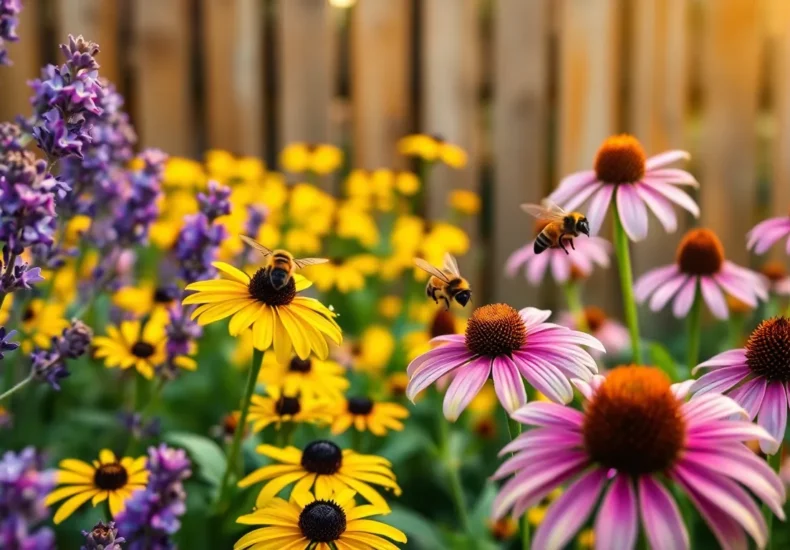
Attract More Pollinators: Design a Bee-Friendly Garden Today
Bees are struggling. Habitat loss, pesticides, and monoculture farming have decimated pollinator populations in recent years. The good news? You can help by creating a bee-friendly garden right in your own yard.
A bee-friendly garden isn't complicated. You don't need fancy equipment or a sprawling landscape. What you need is the right plants, some water, and a commitment to ditching chemicals. When you attract pollinators to your yard, you're not just helping bees - you're boosting your own garden's productivity.
Bees pollinate roughly one-third of the food we eat. They're essential. By creating habitat for them, you're supporting local ecosystems while enjoying more vibrant flowers and fresh vegetables. This guide walks you through the practical steps to build a thriving pollinator garden that actually works.
TL;DR - Key Takeaways
- Plant native flowers: They're adapted to local bees and bloom naturally.
- Skip the pesticides: Chemicals kill bees and disrupt your entire garden ecosystem.
- Provide water sources: Shallow dishes with pebbles keep bees hydrated.
Choose Native Plants That Bloom Year-Round
The foundation of any bee-friendly garden is native plants. These are species naturally found in your region before human settlement. Native plants evolved alongside local bees, so they're perfectly matched. Bees know how to forage them. These plants require less water, less fertilizer, and no pesticides.
Start by researching what grows natively in your area. Local nurseries and native plant societies have lists specific to your region. Good options across many climates include bee balm, coneflowers, black-eyed Susans, native asters, goldenrod, and wild bergamot. Plant a mix that flowers in spring, summer, and fall. This staggered blooming gives bees consistent food sources.
Quantity matters too. Plant in clusters of the same species rather than spreading varieties around. Bees work more efficiently when they find patches of the same flower. Groups of five to ten plants of one species are ideal. This approach saves bees energy and makes your garden more attractive to them.
💡 Pro Tip:
Visit your local native plant society website to download a list tailored to your exact zip code. This takes guesswork out completely.
Ditch Chemicals and Build Healthy Soil
Pesticides are the second-largest threat to bee populations after habitat loss. Even low doses harm bee navigation, reproduction, and immune systems. One application of neonicotinoid pesticide can disable a bee's ability to find its way home. Simply removing chemicals from your yard is one of the most powerful things you can do.
Healthy soil creates resilient plants that resist pests naturally. Add compost, aged manure, or leaf mulch to your beds each spring. This feeds soil microbes and improves structure. Healthy soil holds water better, reduces compaction, and supports the root systems that feed pollinators. It's a long-term investment that pays dividends.
Accept some pest damage. A few holes in leaves don't kill plants. In fact, pest populations attract beneficial insects that control them. Your garden becomes a balanced ecosystem instead of a sterile monoculture. This balance is how nature actually works, and bees thrive in it.
Provide Water and Shelter Year-Round
Bees get thirsty. They need water sources to drink and to cool their hives during hot weather. A simple bird bath or shallow dish filled with water works perfectly. Add pebbles or small rocks for landing spots so bees don't drown while drinking. Place water sources near flowering plants where bees are actively foraging.
Shelter matters too. Many bee species nest in hollow plant stems, dead wood, and soil. Leave seed heads standing through winter instead of cutting everything down in fall. These provide food and shelter. Dead branches, fallen logs, and brush piles offer nesting habitat. Bare soil patches allow ground-nesting bees to dig burrows.
In spring, wait until soil warms before cleaning up. Tidy up around late April or May depending on your climate. This timing allows overwintering bees to emerge safely. Leaving "messy" areas makes your garden far more valuable to pollinators than a manicured landscape ever could.
💡 Pro Tip:
Bundle hollow stems like reeds or bamboo and hang them in a protected spot. These bee hotels provide nesting sites and are surprisingly effective.
Wrapping Up
Creating a bee-friendly garden is straightforward. Plant native flowers, avoid chemicals, provide water, and leave some messiness for shelter. These simple changes transform your yard into vital habitat for struggling pollinator populations.
You don't need a large space or special expertise. A small patch of native plants matters. When multiple gardens on a street attract pollinators, you create connected habitat corridors that bees can use to move through neighborhoods. Your bee-friendly garden isn't isolated - it's part of a larger network.
Start this season. Choose three native plants that bloom at different times. Stop using pesticides. Add a water source. These actions take minimal effort but deliver real results for bees and your local ecosystem.
Frequently Asked Questions
What plants attract the most pollinators?
Native wildflowers, lavender, bee balm, coneflowers, and sunflowers are top choices. Plant flowering varieties that bloom at different times throughout spring, summer, and fall. This ensures bees have food sources all season long, making your bee-friendly garden more effective.
Do I need pesticides in a pollinator garden?
No. Skip pesticides entirely - they harm and kill bees. Instead, accept some pest damage as part of the ecosystem. Healthy pollinator populations naturally control pest problems. Your bee-friendly garden actually becomes more balanced and resilient without chemical sprays.
How much water do bees need in a garden?
Bees need shallow water sources with landing spots. Provide a bird bath, saucer with pebbles, or shallow dish filled with water. Refresh water every few days and place it near flowering plants. This simple addition keeps your bee-friendly garden hydrated and inviting.
Can I have a bee-friendly garden in a small space?
Absolutely. Container gardens, window boxes, and balcony planters work great. Choose compact native plants and group them together. Even a small bee-friendly garden provides nectar and pollen sources. Small spaces matter more than you think for local pollinator populations.
Should I leave dead plants in my pollinator garden?
Yes, leave seed heads and hollow stems standing through winter. Many bee species nest in these structures and feed on seeds. Tidy up in early spring instead. Dead plant material is essential habitat that makes your bee-friendly garden a thriving pollinator sanctuary.
