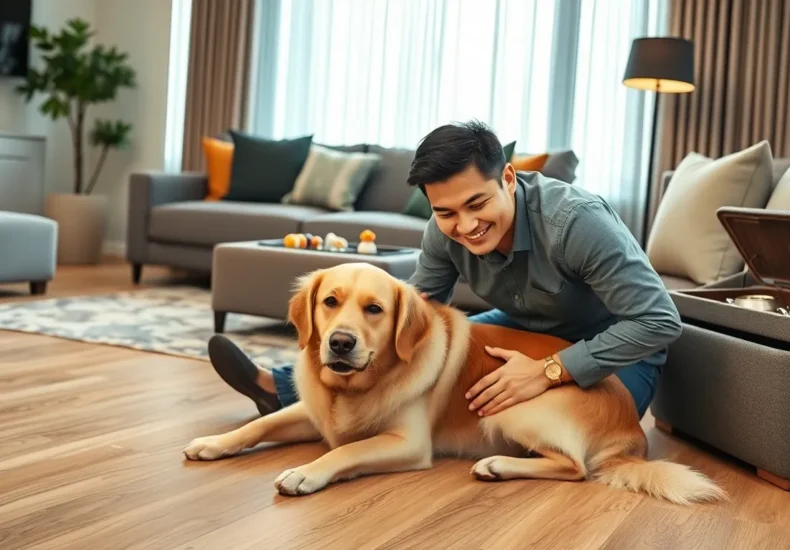
Creating a Pet-Friendly Home: Design Tips for Animal Lovers
Living with pets means embracing the joy they bring while designing a home that can withstand their energy, accidents, and adorable chaos. Whether you share your space with a playful puppy, a curious cat, or both, creating a pet-friendly home doesn't mean sacrificing style for durability. The key is choosing materials and layouts that stand up to daily wear while keeping your space comfortable and beautiful. From flooring that handles muddy paws to furniture fabrics that resist scratches and stains, thoughtful design choices make life easier for you and your furry companions. Let's look at practical ways to build a home where everyone - two-legged and four-legged - can thrive together.
TL;DR
- Luxury Vinyl Plank flooring offers waterproof, scratch-resistant durability perfect for active pets
- Choose furniture fabrics with a rub count of at least 45,000 for maximum pet-proof performance
- Built-in feeding stations and paw-cleaning zones near entryways keep your home organized and clean
- Multi-functional storage solutions hide pet accessories while maintaining your home's aesthetic
Selecting Pet-Proof Flooring That Lasts
Your floors take the biggest beating from pets, so this is where smart material choices matter most. Luxury Vinyl Plank (LVP) flooring has become a popular choice for pet-friendly homes because it combines durability with practical benefits that traditional hardwood can't match. The waterproof nature means accidents won't seep through and damage your subfloor, while the scratch-resistant surface holds up against claws much better than softer wood species.
If you prefer the warmth of real wood, consider harder species like oak or hickory rather than softer pines. Apply multiple coats of high-quality polyurethane to create a protective barrier. For homes with larger dogs, area rugs in high-traffic zones add cushioning and protect the floor underneath while giving your pet comfortable spots to lounge.
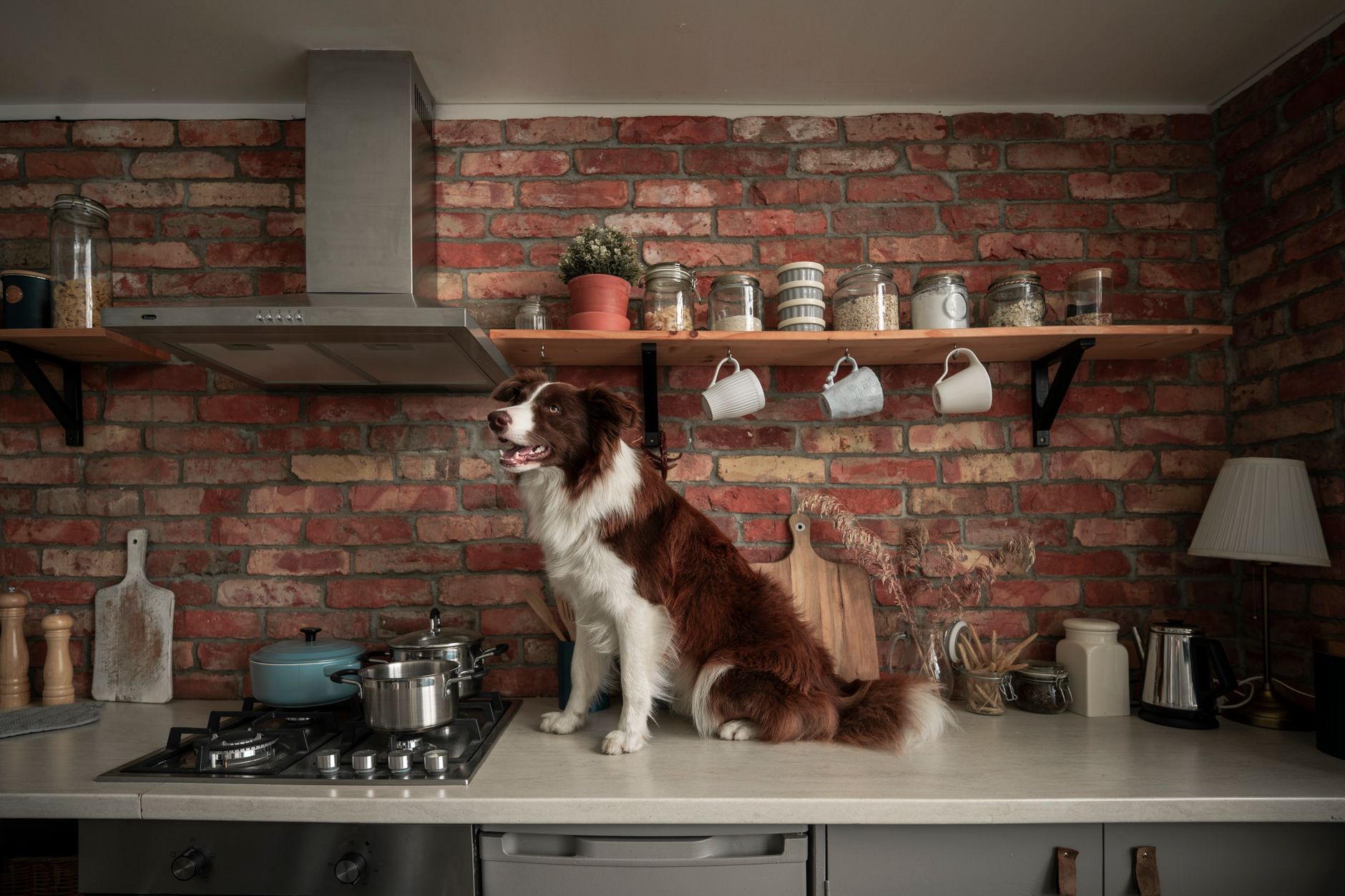
Tile works wonderfully in mudrooms, kitchens, and entryways where wet paws are common. Choose textured or matte finishes rather than glossy tiles - they provide better traction for pets and hide dirt more effectively. Heated tile floors add comfort during colder months, creating cozy spots your pets will naturally gravitate toward.
Avoid wall-to-wall carpet in main living areas if possible. While soft underfoot, carpets trap pet hair, odors, and stains that even professional cleaning struggles to remove completely. If you love the warmth of carpet, confine it to bedrooms or upper floors where pets spend less time, and choose low-pile options in neutral tones that camouflage shedding.
Choosing Furniture Fabrics That Survive Pet Life
Not all upholstery fabrics are created equal when you have pets who shed, scratch, or occasionally have accidents. Durable and easy-to-clean fabrics like microfiber, leather, or performance fabrics resist scratches and stains better than delicate materials like silk, velvet, or loosely woven linens.
The rub count tells you how well a fabric withstands abrasion - essentially how long it will last under regular use. For pet households, aim for fabrics with a minimum rub count of 45,000, which indicates strong resistance to wear from pet activity. Performance fabrics designed for high-traffic commercial spaces often exceed this threshold and come treated with stain-resistant coatings that repel liquids and make cleanup simpler.
Leather and faux leather offer smooth surfaces that pet hair doesn't cling to, making daily maintenance as easy as wiping with a damp cloth. While sharp claws can scratch leather over time, many pet owners appreciate how these marks add character and patina. Top-grain leather develops a natural aged look, while bonded leather tends to peel and should be avoided.
Microfiber tightly woven with polyester or nylon fibers creates a soft texture that resists both stains and pet hair. The tight weave prevents claws from snagging threads, and most spills bead on the surface rather than soaking through immediately. Crypton and Sunbrella are performance fabric brands specifically engineered to handle the demands of pet-filled homes, offering both durability and style options that don't look utilitarian.
Pro Tip
Keep decorative baskets or ottomans with hidden storage in your main living spaces to quickly stash pet toys before guests arrive. This simple habit maintains a tidy appearance without constant trips to a separate storage area.
Creating Dedicated Pet Zones Throughout Your Home
Designating specific areas for pet activities keeps your home more organized and makes training easier. Built-in feeding stations or paw-cleaning areas near entryways greatly improve the convenience and cleanliness of daily routines. A mudroom or entryway bench with storage underneath provides the perfect spot to keep leashes, towels, and grooming supplies within easy reach.
Consider installing a small utility sink or pull-out drawer in your mudroom for quick paw cleanings after walks. Tile or waterproof flooring in this zone contains messes before they spread throughout your home. Hooks at varying heights accommodate leashes of different lengths, while a built-in cabinet can hide food storage containers and keep pet supplies out of sight.
For feeding areas, raised feeding stations built into cabinetry or kitchen islands create a designated dining spot that doesn't require bowls sitting directly on your floor. This approach looks cleaner, reduces the chance of tripping over bowls, and can improve digestion for larger dogs by elevating their food to a more comfortable height. Include a pull-out mat or tray underneath to catch spills and crumbs.
Pet beds and crates don't have to be eyesores. Built-in crate furniture that doubles as an end table or console keeps your pet's sleeping area contained while serving a functional purpose in your room layout. Choose pieces in finishes that match your existing furniture so they blend seamlessly. Adding a washable cushion in coordinating colors makes the space inviting for your pet while maintaining your design aesthetic.
Smart Storage Solutions for Pet Accessories
Pet toys, grooming tools, and accessories can quickly overtake your living space if you don't have a plan for storing them. Multi-functional furniture with hidden storage helps keep these items organized and accessible without cluttering visible surfaces. Ottoman storage benches work particularly well in living rooms - they provide extra seating, serve as a coffee table alternative, and hide an entire collection of toys inside.
Kitchen cabinets can accommodate more than just human food and dishes. Dedicate one lower cabinet to pet food storage using airtight containers that keep kibble fresh and prevent odors from spreading. Install a pull-out drawer system to organize treats, medications, and grooming supplies in clearly labeled containers. This centralized approach means you always know where everything is during busy mornings or when pet sitters need to find supplies.
Entryway storage becomes even more critical with pets. A tall cabinet or mudroom locker system provides space for outdoor gear alongside pet essentials. Separate compartments for clean and dirty items prevent cross-contamination - store clean leashes and harnesses in upper cubbies while reserving lower bins for muddy toys or soiled items waiting to be cleaned.
Decorative baskets scattered throughout your home offer flexible storage that moves as your needs change. Woven seagrass or wicker baskets add texture while concealing rope toys, tennis balls, and chew items. Place them in corners or under console tables where they're easily accessible but don't dominate the room visually. Lidded baskets work especially well if you prefer a completely hidden look.
Conclusion
Designing a pet-friendly home requires balancing durability with style, but the two aren't mutually exclusive. The right flooring, furniture fabrics, and storage solutions let you create spaces that accommodate your pet's needs without compromising your design vision. Waterproof flooring like LVP handles accidents gracefully, while performance fabrics with high rub counts stand up to daily pet activity. Built-in feeding stations and dedicated storage keep supplies organized and your home looking intentional rather than cluttered.
Remember that pet-friendly design is an ongoing process, not a one-time renovation. As your pets age or your household changes, you can adjust and adapt these strategies. The investment in durable materials and thoughtful layouts pays off through reduced stress, easier maintenance, and a home where both you and your pets feel genuinely comfortable. Start with the highest-impact changes - flooring and furniture - then layer in organizational solutions as you identify your specific needs.
FAQs
What is the most durable flooring option for homes with multiple large dogs?
Luxury Vinyl Plank (LVP) flooring offers the best combination of scratch resistance, waterproof protection, and durability for homes with multiple large dogs. Unlike hardwood, it won't warp from water or show deep scratches from claws. Tile works well in entryways and mudrooms but can be cold and hard on joints, while quality LVP provides slight cushioning underfoot and maintains its appearance even with heavy traffic from large pets.
How do I remove pet odors that have set into furniture and carpets?
For fresh accidents, blot immediately with paper towels before applying an enzyme-based cleaner specifically designed for pet odors - these break down the proteins causing smells rather than just masking them. For set-in odors in carpets, professional steam cleaning may be necessary, followed by an enzymatic treatment. If odors persist in upholstery despite cleaning, the padding underneath may be saturated and require replacement. Prevention works best: choose washable slipcovers for furniture and address accidents immediately before they penetrate deep into materials.
Are there paint colors or finishes that work better in pet-friendly homes?
Semi-gloss or satin paint finishes clean more easily than flat or matte paints, making them ideal for pet households where walls might get dirty paws or nose prints. Medium tones in gray, beige, or taupe hide dirt and pet hair better than stark white or very dark colors. Some paint brands offer scrubbable or washable formulas specifically designed for high-traffic areas. For homes with shedding pets, avoid paint colors that strongly contrast with your pet's fur color - a white dog shows up dramatically against dark walls, while dark fur stands out against white surfaces.
