
The Importance of Sleep: How to Get a Good Night's Rest
We spend roughly one-third of our lives asleep, yet many of us treat rest as an afterthought. Between work deadlines, social obligations, and the endless scroll of our devices, sleep often gets pushed to the bottom of the priority list. But here's the reality: sleep isn't a luxury or something you can catch up on later. It's a biological necessity that affects every single system in your body. When you consistently shortchange your sleep, you're not just tired the next day - you're compromising your immune system, cognitive function, mental health, and long-term wellbeing. The good news? Understanding why sleep matters and how to improve it can transform your health in ways you might not expect.
TL;DR
- Adults need 7 to 9 hours of sleep nightly for optimal health, affecting everything from immune function to mental clarity.
- During sleep, your brain actively cleanses itself of toxins linked to cognitive decline and Alzheimer's disease.
- Chronic sleep deprivation increases risk of serious conditions like heart disease and type 2 diabetes while weakening immunity.
- Creating consistent sleep routines, optimizing your bedroom environment, and limiting screen time before bed can dramatically improve sleep quality.
Why Sleep Is More Than Just Rest
Sleep isn't simply downtime when your body shuts off. Think of it more like a maintenance shift at a factory - while you're unconscious, critical repair work is happening throughout your entire system. Your brain is particularly active during sleep, consolidating memories, processing information from the day, and quite literally cleaning house. Research shows that during sleep, your brain's glymphatic system kicks into high gear, flushing out toxins and waste products that accumulate during waking hours. These include beta-amyloid proteins associated with Alzheimer's disease and other forms of cognitive decline.
Your immune system also relies heavily on quality sleep. When you're sleeping, your body produces and distributes cytokines - proteins that target infection and inflammation. Adequate sleep strengthens the immune system, helping your body build defenses against illnesses ranging from the common cold to more serious conditions. People who consistently get less than the recommended 7 to 9 hours per night are more susceptible to getting sick when exposed to viruses.
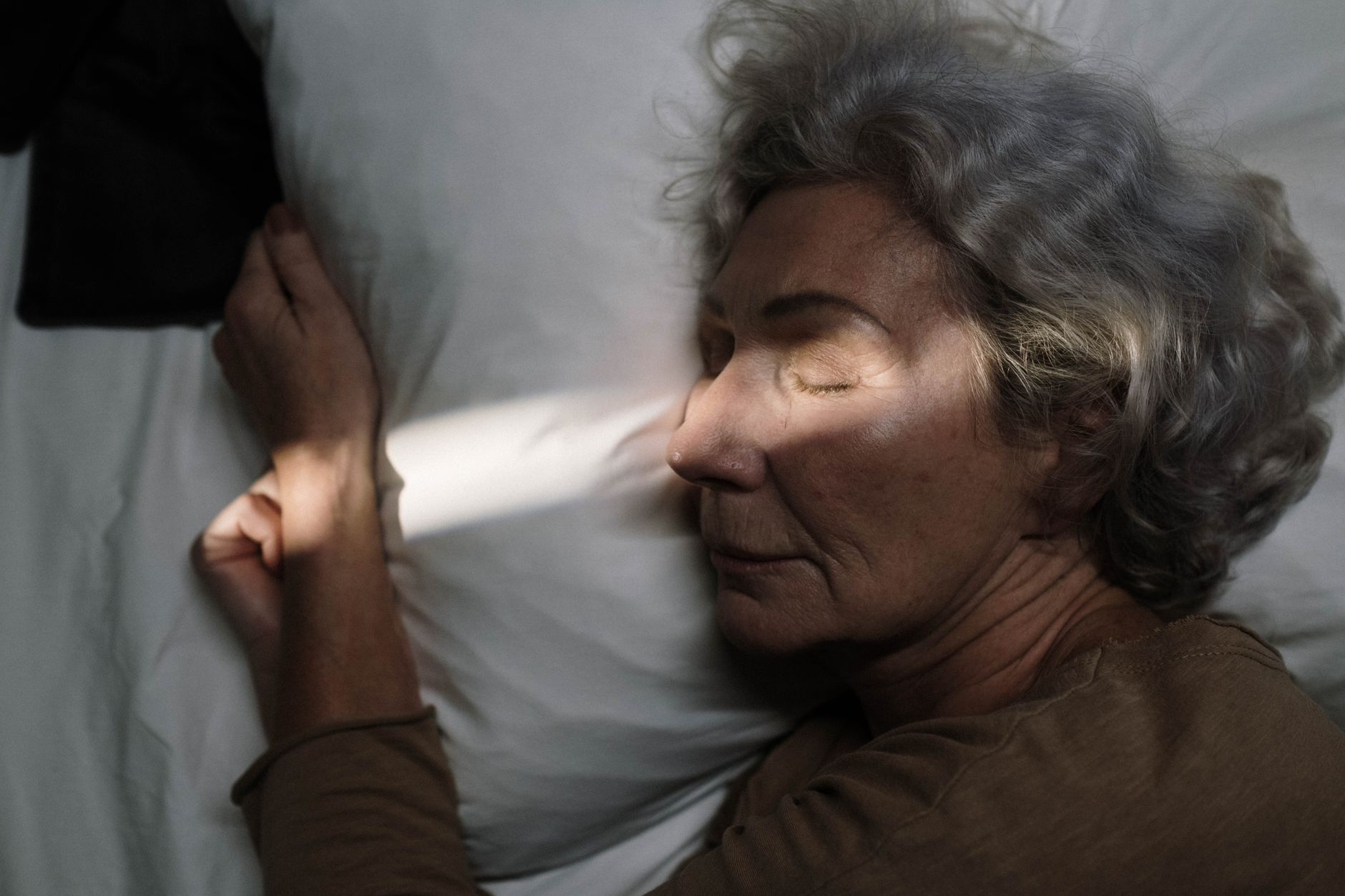
Beyond physical health, sleep profoundly impacts your emotional regulation and mental health. You've probably noticed that everything feels harder after a poor night's sleep - you're more irritable, less patient, and struggles that seemed manageable yesterday suddenly feel overwhelming. That's not just in your head. Sleep deprivation affects the prefrontal cortex, the part of your brain responsible for decision-making and emotional control, while simultaneously amping up the amygdala, your emotional alarm system.
The Real Costs of Sleep Deprivation
Chronic lack of sleep creates a domino effect throughout your body. In the short term, you experience obvious symptoms: difficulty concentrating, mood swings, reduced productivity, and that foggy-headed feeling that makes even simple tasks feel like wading through mud. But the long-term consequences are far more serious.
Sleep deprivation is linked to increased risk of heart disease, high blood pressure, stroke, and type 2 diabetes. When you don't get enough sleep, your body produces more cortisol, the stress hormone, and experiences changes in how it processes glucose and regulates appetite. This is why chronically tired people often struggle with weight management - lack of sleep disrupts the hormones that control hunger, making you crave high-calorie foods while simultaneously reducing your motivation to exercise.
Your cognitive function takes a hit too. Studies consistently show that sleep-deprived individuals perform worse on attention tasks, have slower reaction times, and make more errors. For anyone operating vehicles or machinery, this becomes a serious safety issue. Drowsy driving causes thousands of accidents annually because tired drivers experience microsleeps - brief episodes where they essentially black out for a few seconds while their eyes are still open.
Mental health and sleep exist in a complicated relationship. Poor sleep can worsen symptoms of depression and anxiety, while these conditions can also make it harder to sleep well, creating a vicious cycle. People dealing with insomnia have a significantly higher risk of developing depression, and improving sleep often helps improve mood disorders.
Pro Tip
Set a consistent bedtime alarm on your phone - not for waking up, but for going to bed. Most of us are great at waking at the same time but terrible at maintaining a consistent bedtime. An alarm 30 minutes before your target sleep time gives you a chance to wind down properly and signals your brain that rest is coming.
Creating the Right Environment for Quality Sleep
Your bedroom environment plays a bigger role in sleep quality than most people realize. Temperature matters - your body naturally cools down as you prepare for sleep, and a room that's too warm can interfere with this process. Most sleep experts recommend keeping your bedroom between 60 and 67 degrees Fahrenheit, though the ideal temperature varies slightly by individual.
Light exposure is equally critical. Your circadian rhythm, the internal clock that regulates sleep-wake cycles, is heavily influenced by light. Even small amounts of light can suppress melatonin production, the hormone that helps you feel sleepy. This means covering electronic displays, using blackout curtains if streetlights shine into your room, and avoiding bright bathroom lights if you wake up during the night.
Noise is another common disruptor. If you live in a noisy environment, consider white noise machines or apps that can mask disruptive sounds. Some people find that consistent background noise actually helps them sleep better than complete silence, as it prevents sudden sounds from waking them.
Your mattress and pillows deserve attention too. If you wake up with aches and pains or find yourself tossing and turning to find a comfortable position, it might be time for an upgrade. A mattress should support your spine's natural alignment while relieving pressure points. What works varies by body type, sleep position, and personal preference, so if you're shopping for a new mattress, look for companies that offer trial periods.
Building Better Sleep Habits
Consistency is perhaps the most powerful tool for improving sleep. Going to bed and waking up at the same time every day - yes, including weekends - helps regulate your circadian rhythm. This makes falling asleep easier and waking up more natural. When you sleep in on weekends, you're essentially giving yourself jet lag.
What you do in the hours before bed significantly impacts sleep quality. Screens are particularly problematic because they emit blue light that suppresses melatonin production. Try to avoid phones, tablets, computers, and television for at least an hour before bed. If you must use devices, enable night mode settings that reduce blue light, though complete avoidance is better.
Physical activity during the day generally improves sleep, but timing matters. Vigorous exercise too close to bedtime can be stimulating and make it harder to fall asleep. Aim to finish intense workouts at least three hours before bed, though gentle stretching or relaxing yoga can be helpful closer to sleep time.
Watch your caffeine and alcohol intake. Caffeine has a longer half-life than most people realize - that afternoon coffee can still be affecting your system at bedtime. Alcohol might make you feel drowsy initially, but it disrupts sleep cycles later in the night, leading to poorer overall sleep quality and more frequent waking.
Create a wind-down routine that signals to your body it's time to sleep. This might include reading, taking a warm bath, practicing relaxation techniques, or light stretching. The specific activities matter less than consistency - doing the same things each night helps train your brain to recognize these as sleep cues.
Conclusion
Sleep isn't negotiable. It's as essential to your health as eating well and exercising, yet it's often the first thing we sacrifice when life gets busy. The science is clear: adults need 7 to 9 hours per night for their bodies and brains to function optimally. During those hours, critical processes occur - your brain cleanses itself of toxins, your immune system builds defenses, memories consolidate, and tissues repair. Shortchange this process regularly, and you're setting yourself up for cognitive decline, weakened immunity, and increased risk of serious health conditions.
The path to better sleep isn't complicated, but it does require intention. Prioritize consistency in your sleep schedule, create an environment that supports rest, and develop evening habits that help you transition from the chaos of the day to the calm of night. Start with one or two changes rather than overhauling everything at once. Maybe that's setting a bedtime alarm, removing the TV from your bedroom, or cutting off caffeine earlier in the day. Small adjustments compound over time. Better sleep improves everything else - your mood, your health, your relationships, your work. It's one of the most effective investments you can make in your wellbeing.
FAQs
What should I do if I can't fall asleep after 20 minutes?
Get out of bed and do a quiet, relaxing activity in dim lighting until you feel sleepy. Staying in bed while wide awake can create an association between your bed and wakefulness, making the problem worse over time. Read a book, practice gentle stretching, or listen to calming music, then return to bed when you feel drowsy. Avoid checking the time repeatedly, as this increases anxiety about not sleeping.
Is it possible to catch up on sleep during weekends?
While sleeping in on weekends might help you feel temporarily better, it doesn't fully compensate for chronic sleep deprivation during the week. Your body can't bank sleep hours like a savings account. Regular sleep debt accumulated over time has lasting health effects that weekend recovery sleep can't completely erase. Additionally, dramatically different sleep schedules on weekends versus weekdays disrupts your circadian rhythm, making it harder to fall asleep Sunday night and wake up Monday morning. Consistency is more valuable than occasional marathon sleep sessions.
When should I talk to a doctor about sleep problems?
Consult a healthcare provider if you consistently have trouble falling asleep or staying asleep despite practicing good sleep habits, if you snore loudly or wake up gasping for air (possible signs of sleep apnea), if you experience unusual movements or behaviors during sleep, or if daytime fatigue interferes with your daily activities and responsibilities. Chronic insomnia lasting more than a few weeks deserves professional attention, as it might signal an underlying health condition or sleep disorder that requires specific treatment beyond lifestyle adjustments.
