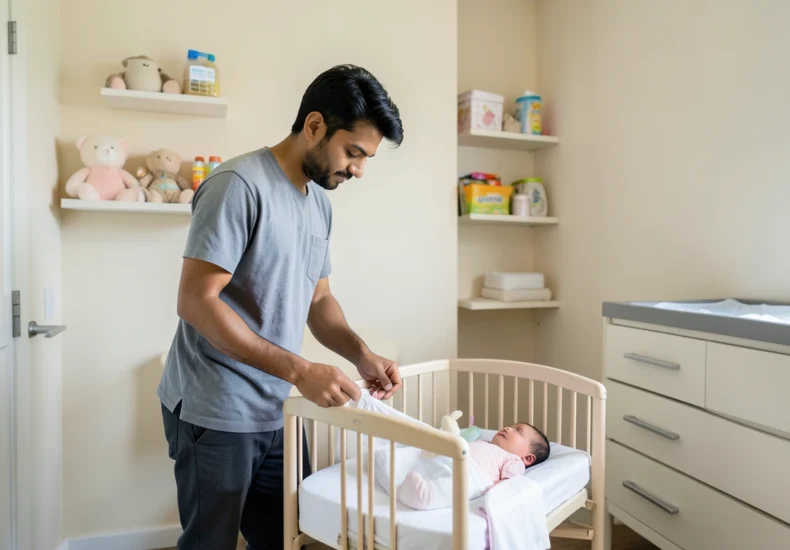
Making Room for a Baby in a Small Apartment
Moving a baby into a small apartment sounds daunting at first, but it's more than doable with smart planning and a bit of creativity. You don't need a sprawling house to create a safe, comfortable space for your little one. Thousands of families raise happy, healthy babies in compact living situations every day, and many find that less space actually means less clutter and more intentional choices. The key is making every square foot count - choosing furniture that works overtime, thinking vertically instead of horizontally, and letting go of items you don't truly need. This guide walks you through practical strategies for fitting baby essentials into your apartment without sacrificing comfort or safety.
TL;DR
- Mini cribs with footprints around 38-43 inches by 24-28 inches save floor space without compromising safety.
- Vertical storage and multi-purpose furniture let you maximize every inch of your apartment.
- Decluttering before baby arrives creates room for essentials while keeping your space functional.
- Light colors and strategic furniture placement can make small nursery areas feel more spacious.
Choosing the Right Sleeping Setup
The crib is usually the bulkiest piece of baby furniture, so this decision matters. Mini cribs are designed specifically for small spaces, typically measuring 38-43 inches long by 24-28 inches wide compared to standard cribs that run closer to 52 inches long. That difference of a foot or more can be the deciding factor in whether you have room to move around comfortably.
Some mini cribs are purely space-savers, while others grow with your child. The Stokke Sleepi Oval Mini Crib is part of a system that can extend from birth to age 10, which means you're not boxing yourself into a solution you'll outgrow in a year. For the first few months, many parents keep baby in a bedside bassinet in their own room anyway, which delays the need for the crib and gives you time to plan your layout.
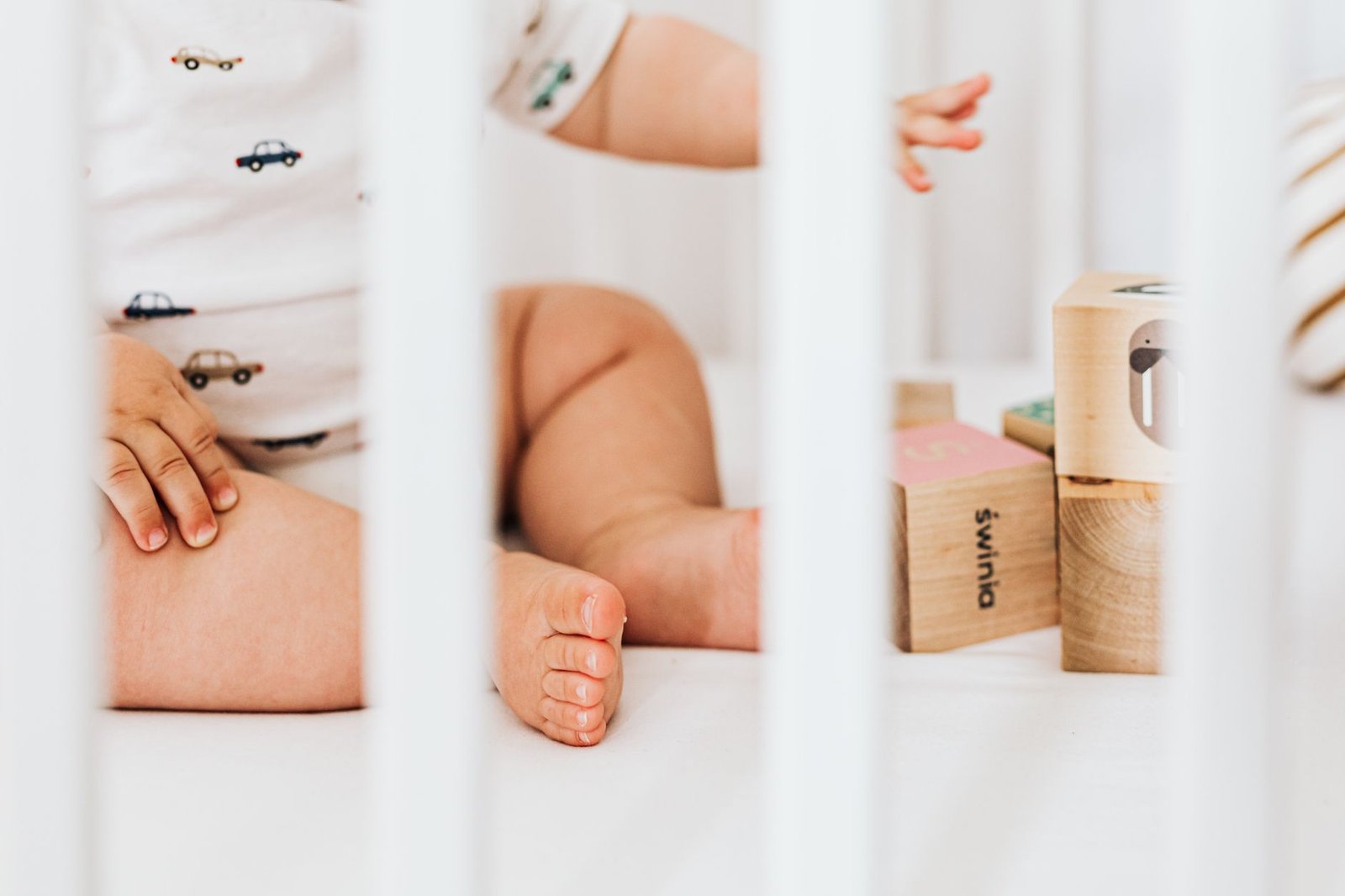
Whatever you choose, follow safe sleep guidelines from the CPSC - firm mattress, fitted sheet, nothing else in the crib. Small spaces don't change these fundamentals. Position the crib away from windows, cords, and curtains, and make sure you can access all sides easily for diaper changes and lifting baby in and out.
Multi-Purpose Furniture Is Your Best Friend
When you're working with limited square footage, every piece of furniture needs to earn its place. A dresser that doubles as a changing table is a classic space-saver - you're already storing baby clothes and supplies, so topping it with a changing pad makes perfect sense. The Babyletto Lolly 3-Drawer Changer Dresser is specifically noted for fitting into studio and one-bedroom nurseries thanks to its compact footprint.
Wall-mounted options take this further. The Leander Wally wall-mounted changing table folds up to just 17 cm deep when not in use, freeing up precious floor space for playtime or simply walking through the room. If you're not ready to commit to wall mounting, look for foldable changing pads that can sit on top of your existing dresser or even on your bed when needed.
Storage ottomans are another winner - they hold toys, blankets, or diapers inside while providing a seat for late-night feedings. Nesting tables can be pulled out when you need a surface and tucked away when you don't. Think about what each piece does when you're using it and what it does when you're not. If the answer to the second question is "takes up space," keep looking.
Pro Tip
Before buying any baby furniture, measure your space and tape out the dimensions on the floor using painter's tape. Walk around it, open doors, test pathways. This simple step prevents expensive mistakes and helps you visualize how pieces will actually fit into your daily routines.
Going Vertical With Storage
Floor space is limited, but your walls probably aren't. Tall, narrow shelving units make use of height without eating up much width. Over-the-door organizers can hold diapers, wipes, lotions, and all those small items that otherwise scatter across surfaces. Wall-mounted shelves above the changing area keep essentials within arm's reach during diaper duty.
Pegboards are incredibly flexible - you can hang baskets, hooks, and small shelves that adjust as your needs change. What holds pacifiers and burp cloths today can hold art supplies in a couple years. Floating shelves add storage without the visual weight of a bookcase, which helps the room feel more open.
Don't forget about closet space. If you have one, it's prime real estate. Install an extra rod lower down for baby clothes, add hanging organizers for shoes and accessories, or put bins on upper shelves for seasonal items or things you don't need daily. Even a small closet can swallow a surprising amount of baby gear when it's organized vertically.
The Art of Letting Go
This might be the hardest part, but it's also the most effective. That decorative chair you never sit in, the coffee table covered in magazines, the extra set of dishes you keep "just in case" - these are all taking up space your baby actually needs. Walk through your apartment with fresh eyes and ask what you use regularly versus what's just there.
Decluttering doesn't mean throwing everything away. Donate, sell, or store items off-site if you have that option. Some things can live under your bed in flat storage bins. Others might be worth digitizing - do you really need those old magazines, or could you recycle them and keep digital copies of recipes or articles you loved?
Creating space isn't just physical. It's mental too. A less cluttered apartment is easier to clean, easier to baby-proof, and honestly less stressful when you're running on three hours of sleep. Future you will appreciate the breathing room.
Making Small Spaces Feel Bigger
You can't add square footage, but you can change how the space feels. Light colors make rooms appear larger and more open. Soft whites, creams, and light grays work beautifully in nursery areas and reflect natural light throughout the day. This doesn't mean everything has to match - you can still add personality with colorful accents, artwork, or textiles.
Mirrors are another tool for creating the illusion of space, though keep them positioned where they won't pose a safety risk as baby gets mobile. Good lighting helps too. If you're stuck with harsh overhead lighting, add a soft floor lamp or string lights to create a warmer, more spacious atmosphere.
Furniture arrangement matters more in small spaces. Keep pathways clear and anchor pieces against walls when possible. If you're setting up a corner nursery in your bedroom, use a room divider or bookshelf to create visual separation without building walls. The goal is making the space feel intentional, not cramped.
Conclusion
Raising a baby in a small apartment requires planning, but it's far from impossible. The families profiled in articles about bringing up baby in one-bedroom apartments prove that children thrive in compact spaces when their needs are met thoughtfully. You don't need a nursery bigger than your living room or a mountain of gear. You need safe sleep, clean diapers, food, love, and a functional space that works for your family.
Focus on what truly matters. Choose furniture that serves multiple purposes, use your walls as much as your floors, and don't be afraid to let go of things that no longer serve you. Your baby won't remember whether the nursery was Pinterest-perfect or squeezed into a corner of your bedroom. They'll remember feeling safe, cared for, and loved - and you can absolutely provide all of that in whatever space you have.
FAQs
Do I really need a separate nursery in a small apartment?
Not at all. Many parents successfully share a bedroom with their baby, especially during the first year. Room-sharing is actually recommended for safer sleep during the early months. You can create a dedicated baby zone in your bedroom using a mini crib, a small dresser or changing station, and vertical storage. Some families carve out a nursery corner using a bookshelf or curtain as a divider. What matters is having the essentials within reach, not having a separate room with a closed door.
What baby furniture can I skip to save space?
You can often skip a dedicated changing table if you use a changing pad on a dresser or even on your bed. Rocking chairs are lovely but not essential - a comfortable spot on your couch or bed works fine for feeding and soothing. Baby bathtubs can be replaced with a sink insert or folding tub that stores flat. Toy chests can be replaced with baskets or bins that slide under furniture. Focus your space and budget on the absolute must-haves: safe sleep setup, car seat, weather-appropriate clothes, and feeding supplies. Everything else is negotiable.
How do I baby-proof a small apartment effectively?
Baby-proofing small spaces is actually easier in some ways because you have less area to cover. Secure heavy furniture to walls using anti-tip brackets, cover outlets, install cabinet locks, and use corner guards on sharp edges. Keep cleaning supplies and medications in high cabinets or locked storage. Gates can be tricky in tight spaces, so consider playpens or play yards to create safe zones where baby can explore without constant supervision. The smaller footprint means you can keep a closer eye on everything, which is a hidden advantage of compact living with a little one.
